Memento Mori by Dona Murphy

Voices speaking, I can barely hear them;
clouds shrouding the moon muffle and baffle.
But I heard and once I heard I had to listen
and once I listened I had to go. Go
out into the stone-dark night and the moon-white
there in the dark was a light in the dark
from the ground, all around
up rose the bones ash grey and dull silver.
Theirs were the voices that called
begging to be pulled from the dark, to be…
My hands dirt-smeared and damp, I draw them
out: long and slim, short and round
Thigh and shin, knee and skull-crown.
Gleaming clean, freed of flesh
they bear no scars.
They shine in the light of the stars.
They whisper thanks, they murmur their stories
they call softly to the ghosts who miss them
the spirits who seek them, who want only to be with them –
together, together again.
When? They ask, when?

About the Author: Dona Murphy

Dona Murphy is the owner of Destiny Tarot. She lives and works in Lake Bluff Illinois as a Tarot reader, Intuitive Counselor and Life Coach. Dona combines her metaphysical and spiritual studies, natural gifts and real-world experience to help her clients solve problems and live their best lives. As she says, “The cards don’t predict your future, they help you create it”.

Traditions — When Everything Old Is New Again by Jeanie Croope

Tradition.

I love that word. It brings to mind memories of times past and occasions and activities that were so special, unique, or fun that they became incorporated into our souls and repeated over and over again.

No season seems to echo the thought of tradition more to me than the winter holidays.

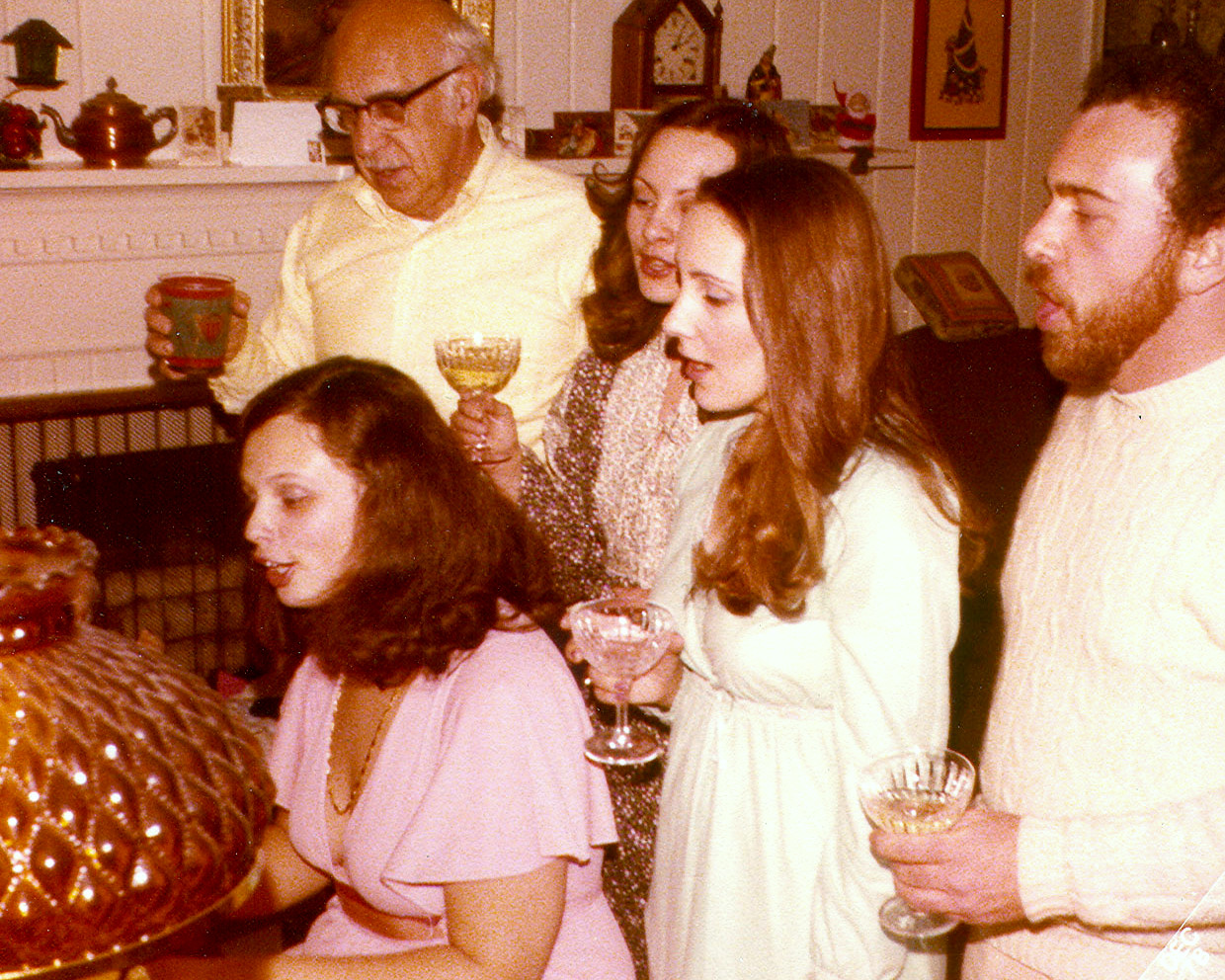
For me, it’s Christmas and all that goes with it. A visit to the greens market with my friend Jan. Cookie decorating on Christmas Eve with the kids. A holiday gift exchange with good friends where we choose our gifts based on the theme of a favorite holiday song.

For my friend Jane it is baking biscotti at Hanukkah. For my interfaith cousins with a large extended family, it is a way to make gift giving for Hanukkah and Christmas both fun and economical.

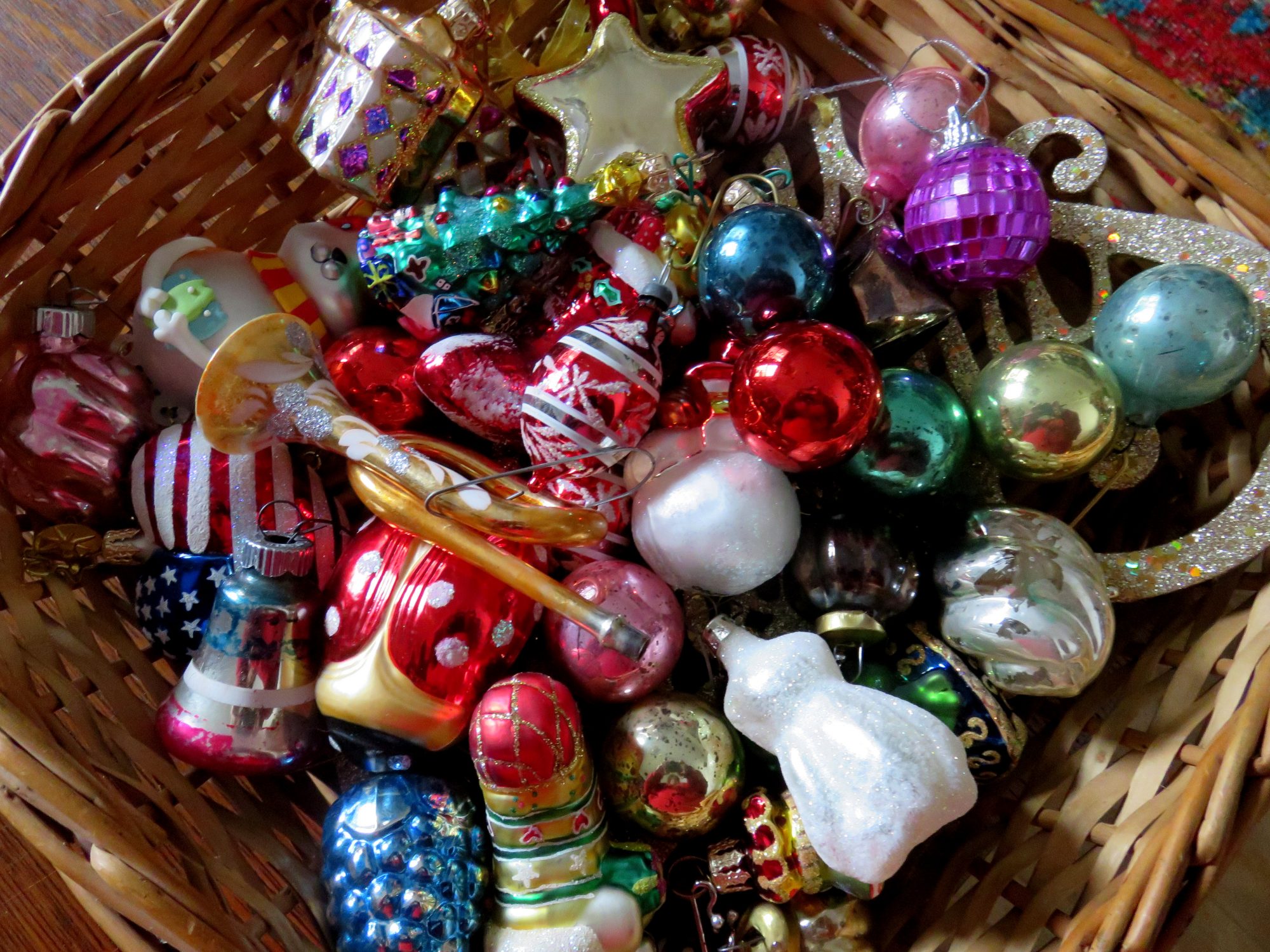
My holiday decorating begins on Thanksgiving weekend. And with that seasonal launch comes the revisiting of treasured ornaments, favorite recipes and memories of all the past seasons.

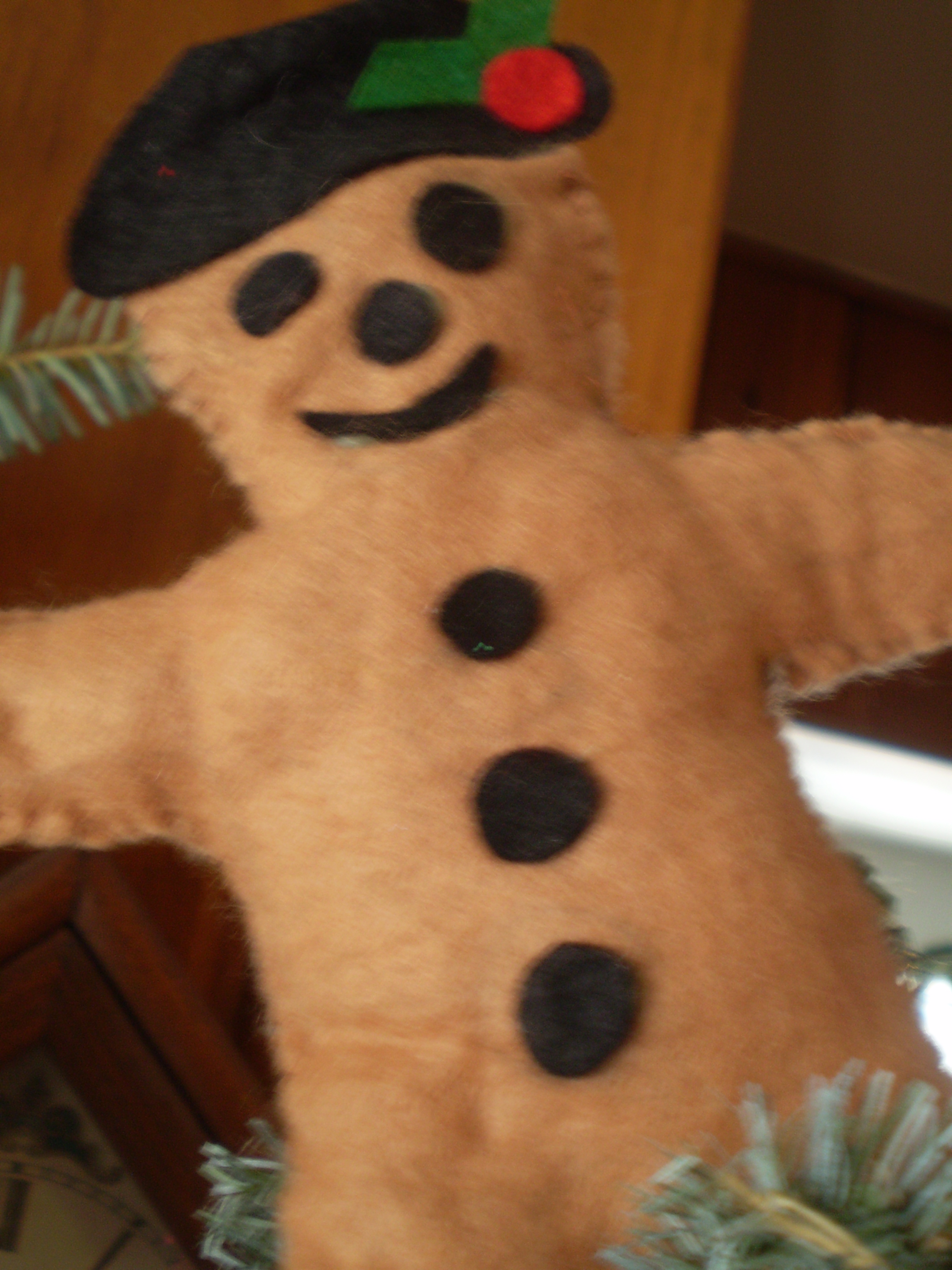
When I pull out the giant Gingerman my dad made for my mom, it reminds me of a tradition we used to share with our family, long before marriages and illnesses changed those holidays, making it difficult for us to get together. We would have an original gift-wrapping contest with various categories (“Best disguise of an obvious object,” “Best wrapping paper,” “Most unique”). Both adults and kids — we were all teens or in college — participated, spending hours dripping candle wax over a small, square box to create a faux candle or turning a rolled-up poster into a trumpet.

One year, after Mom had been making tiny stuffed gingerbread-man ornaments, Dad stitched up a giant one, leaving a small hole in its side where he hid a pair of earrings. It’s now the topper on one of my trees.

Other ornaments and decorations remind me of special times and people. An Eiffel Tower or dangling piece from Japan recall trips Rick and I have enjoyed together. The creche my parents bought in Mexico has a spot, along with the Santa my friend Mary Jane made for me several years before she passed. They’re all part of my Christmas and they will all be on the tree or in my home, no matter where I might one day live.

When Rick and I joined forces, his boys were quite young. That’s when we started the Christmas Eve cookie decorating tradition. I made the cut-outs ahead of time and after our dinner was tidied up, we’d get out the frosting and go to town. Some of the creations were artistic and elegant. Some were just obnoxious sugar bombs. The cookies would end up as dessert the next day, with some headed off to their mom, others shared with friends or neighbors.

Those boys are grown now and one even has two boys of his own. And we still do cookies. It may not be on “official” Christmas Eve. But we’ll gather at the table, cups filled with colorful frosting and enjoy our time together.

That’s the other thing. Traditions evolve over time. Families expand and we learn to “share” those we love with others. But we hold tight to the feelings, the essence of the holiday.

My Cleveland cousins started a new shopping tradition several years ago when getting presents for the extended family of 17 or more became a financial nightmare. With all the children as adults now, this became a fun, easy way to cut down expenses. Each person would get a one, five, ten, and twenty dollar gift that could go to a male or female. These would be exchanged by drawing numbers. They would draw a name for a special present in the thirty dollar zone for one person.

The exchange brought loads of laughs, the financial cost was significantly reduced (they used to all exchange!), and it was a fun challenge to find the right thing. (Dollar Tree certainly benefited from this!)

About fifteen years ago we started a tradition with another couple of choosing a holiday song as our theme for gift giving. We set a twenty-five dollar limit and pick a song. Sometimes we interpret literally (when we did “The Christmas Song” we both found “chestnuts” to roast on an open fire!). We’ve done “The Twelve Days of Christmas,” “Let it Snow!,” “White Christmas,” “Deck the Halls,” “Christmas Island,” “Jingle Bell Rock” and many others. The changing theme helps the concept never get old!

I will always make my cousin Bonnie’s “Jingle Balls,” (which you may know as Italian wedding cookies or snowballs), along with several other cookies that are holiday “musts.” We’ll have the roast beef Christmas Eve dinner that Rick’s grandfather used to make for them and the strata

breakfast casserole that goes in the oven while we open presents on Christmas morning. We will watch “A Christmas Story” and “Love Actually” and I will be sure to watch “White Christmas” (by myself, probably, since everyone else burned out on that one.)

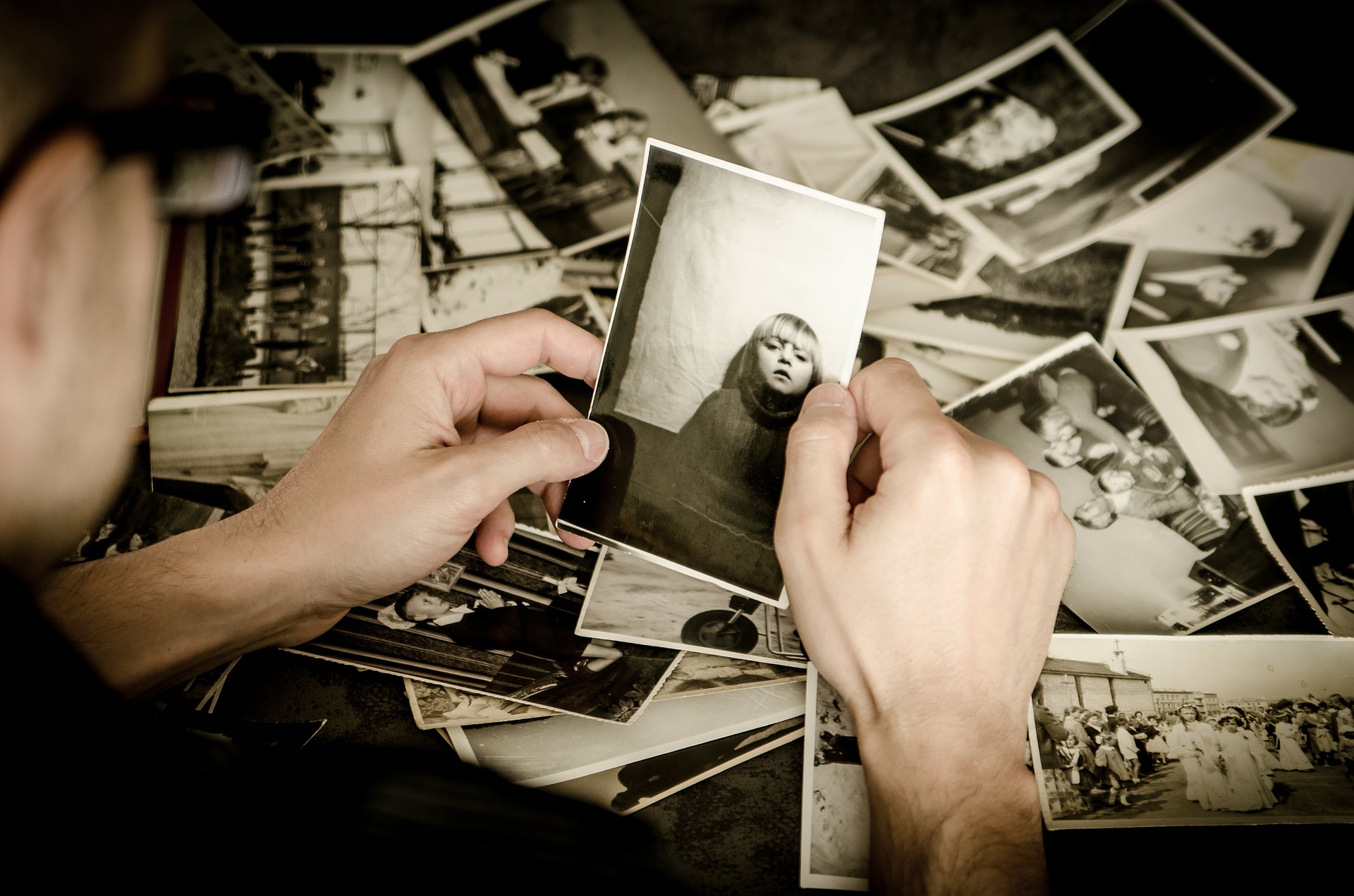
And that’s OK. Because for me, traditions are both those shared with others and those we hold close to ourselves. That moment of quiet to remember those no longer with us, a review of photos from Christmases past. When I decorate the little tree in my bedroom that has fishing ornaments and other things that remind me of my dad, he’s there with me, just as mom appears when I set the table with her Spode Christmas tree china and silver. To others, it might just be a tree or a pretty table setting. But I know.

As time evolves, new traditions emerge and those that no longer work are gently set aside as sweet memories.

What are your treasured holiday traditions? Hold them close and share them, too. Pass them down to the next generation. They’ll change in time to be sure. So will we. But they will remain in our hearts as we recall family, friendships, holidays and most of all, love.

About the Author: Jeanie Croope

Jeanie Croope bioAfter a long career in public broadcasting, Jeanie Croope is now doing all the things she loves — art, photography, writing, cooking, reading wonderful books and discovering a multitude of new creative passions. You can find her blogging about life and all the things she loves at The Marmelade Gypsy.

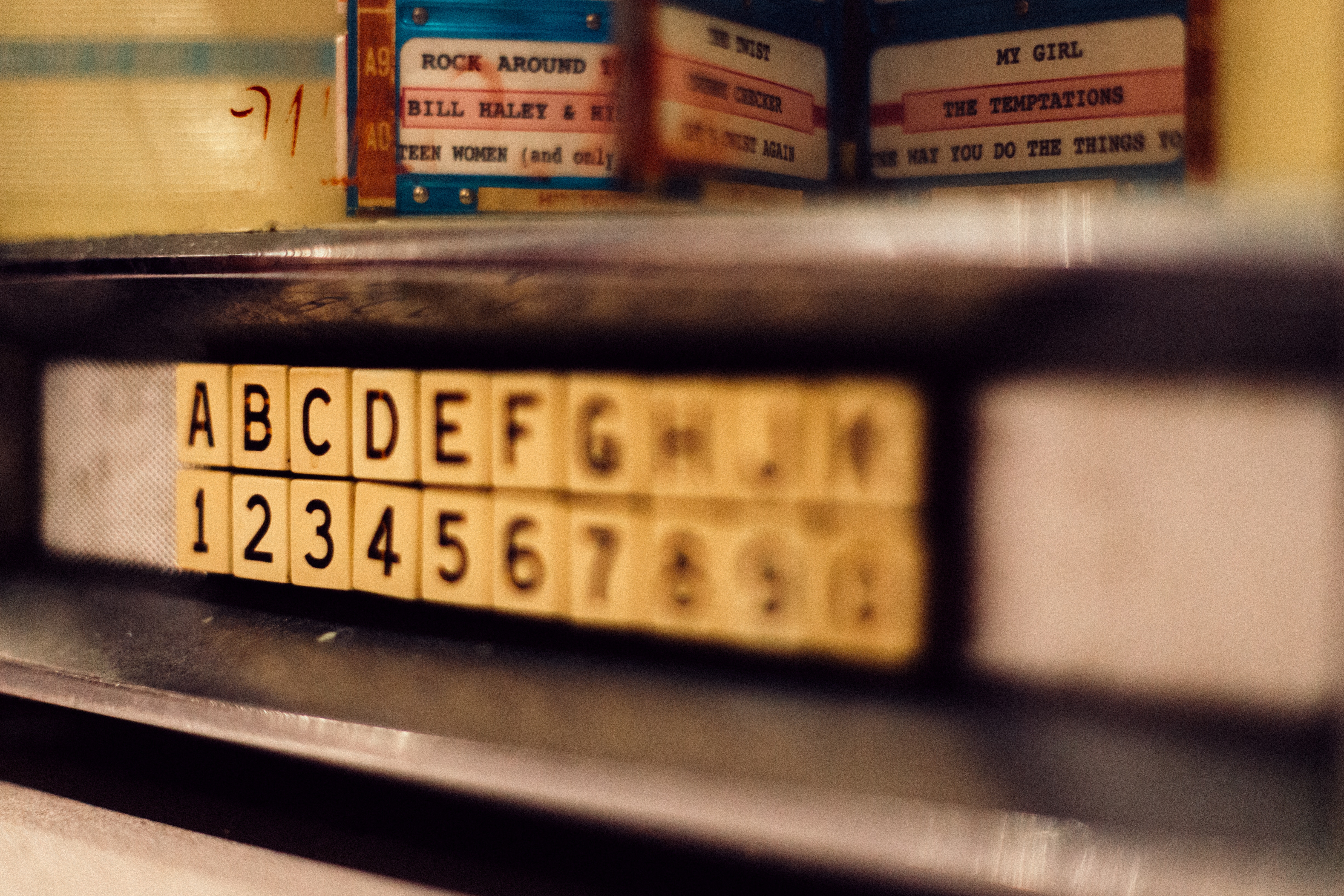
Jukebox by Pat West

patrick-fore-379193-unsplash

I spent my early years at Scotty’s Place,
in a rural area sixty miles outside Chicago.
Out in corn and dairy farm country
and I still recall the warm brush of angora wool
against my glass, as you leaned over
to read what I had to give, to discover
everything inside me. In 1968, things changed.

You kids left for college or to fight a war
you didn’t believe in.
The new owner packed me off
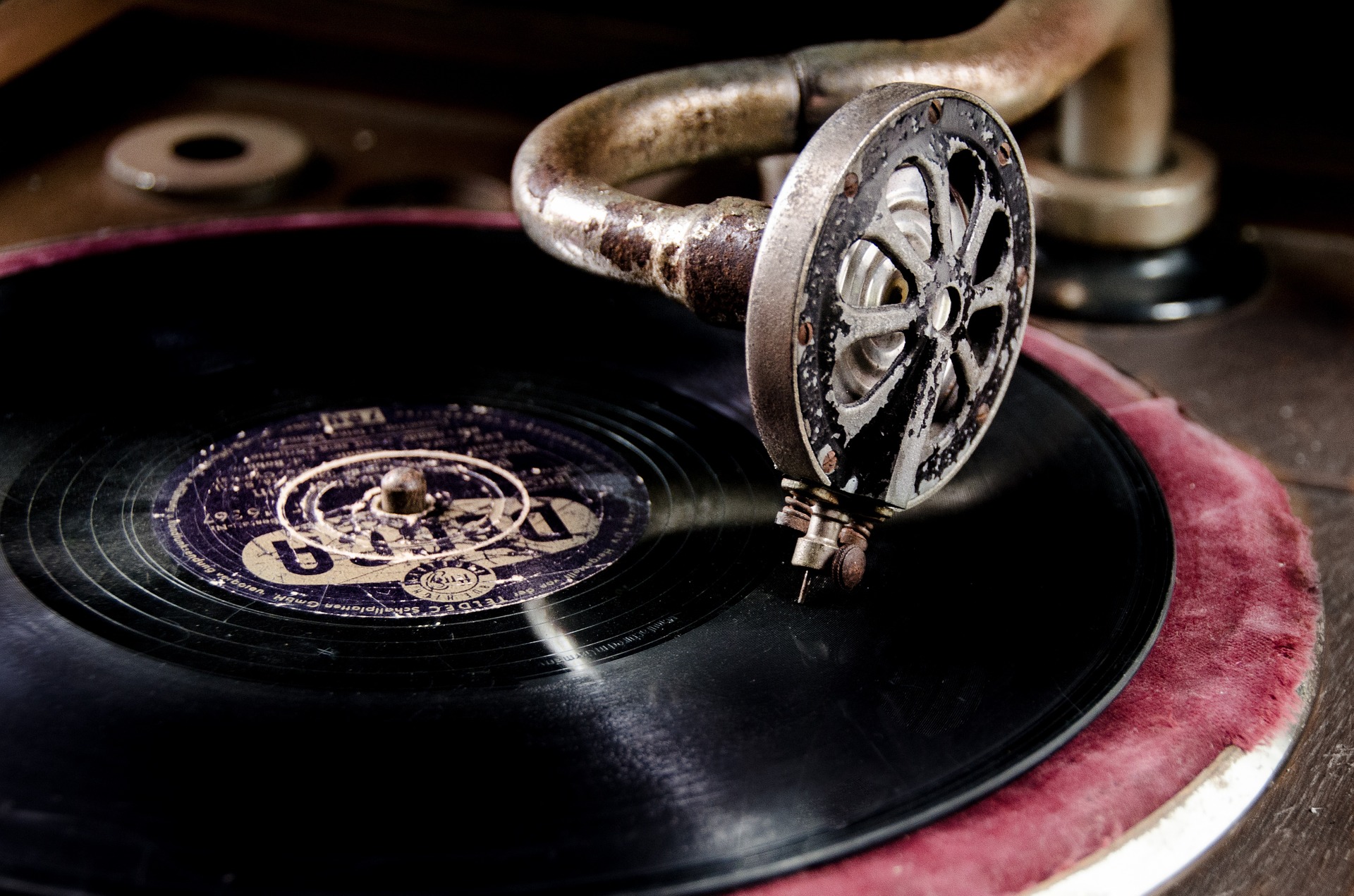
to storage. For years I stood disconnected
beside my old pal the pinball machine,
next to a refrigerator without a door,
a steering wheel leaning against my back.
Dust motes haze the air, windows thick with grime.

It’s true my needle is dull
and my tone arm sometimes slips
across the music, but my gut’s filled
with all your favorites. Remember
night after Friday night,
how you’d punch that red and white button
F6: It’s Now or Never
and my arm would reach up,
pick the 45, place it on the turntable
in that smoky room. You danced eyes closed,
head tilted back, swaying slow and easy.
When Elvis sang, It’s now or never, be mine tonight,
every girl thought that lanky Southern boy with gyrating hips
meant those words just for her.

Today you’ve hauled me to the cemetery
and placed me over Scotty’s grave
instead of a headstone.
Rather than flowers, you bring rolls of quarters.
I notice lines bracketing your mouth.
You insert ten dollars in even change.
Light-headed, feet pounding the grass, you dance
back those days of rock-and-crazy-roll. I watch
your hips sway and I’m back in that magical spot
once again, I put on my light show,
after all I’m a Wurlitzer peacock,
pulsing green, gold and yellow.

About the Author: Pat West

Pat Phillips West lives in Olympia, WA. A Pushcart and Best of the Net nominee, her work has appeared in Haunted Waters Press, Persimmon Tree, VoiceCatcher, San Pedro River Review, Slipstream, Gold Man Review and elsewhere.

Instrumental: The Persistence of Memory – Retrogrades by Dona Murphy

We’ve been under the powerful influence of retrograde planets lately. We’ve just completed a Venus retrograde and right on its heels, a Mercury retrograde began. A long list of “re-”s accompany these retrogrades: regret, remorse, review, redo, revisit, revise, re-evaluate; sometimes the “re”turn of ghosts from the past. All of these can be gifts to us. They’re an invitation to look to the past for what’s “re”levant and use it to our best benefit in the present.

The Venus retrograde through Libra and Scorpio increased passion and sexual tension. This affected real-time interactions with current or former lovers and partners – or both. It also affected dreams and memories, with the past springing up at unexpected moments.

Did you feel a longing for the past? Did your memories of a relationship with a former lover make you feel uncomfortable? Sad? Aroused?

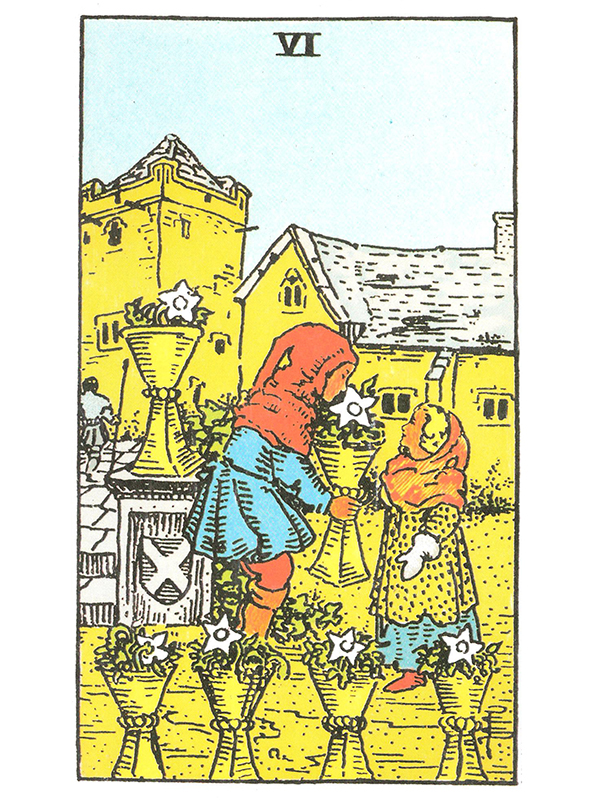
My own surfacing memories prompted me to meditate on the Six of Cups – the Minor Arcana Tarot card that keys to reminiscence, return and memories of past experiences and associations. In short, the card is symbolic of nostalgia. This card’s astrological correspondence is the Sun in Scorpio.

In the Rider-Waite-Smith Tarot there is less emphasis on the sexual aspects of the Sun in Scorpio. Its general meanings are nostalgia, revisiting the past, recalling childhood memories, and also joy and pleasure. In reverse and under the influence of the Venus retrograde – we may have discovered that we were clinging to the past or trying to live in the past; dwelling on past hurts and disappointments; yearning for past relationships or people that were not healthy for us or that we’ve outgrown and no longer serve us.

Using the Crowley-Harris or Thoth Tarot, the general meaning of the card is more centrally focused on the most natural expression of the Sun in Scorpio. All forms of pleasure – including sexual fulfillment – are inherent in this card. There is both a depth and a natural transcendence here that goes beyond the momentary gratification of desire. In union with another, the whole is greater than the sum of its parts. This is our highest consciousness expressed through our emotions and feelings. If ill-dignified – as is possible under the influence of retrograde Venus transiting Scorpio – unhealthy sexual expression, jealousy and attracting the wrong partners may have been the outcome.

Our longing for the past – that sometimes inexplicable deep-dive into memories and feelings – all slightly tinged with melancholy, can take up a lot of emotional real estate.

I experienced a series of highly-detailed and vivid dreams about some of my past lovers. On many mornings I woke feeling almost hungover, thinking about the past and re-experiencing feelings I hadn’t examined for many years. I will confess to some quick Google searches (I plead human frailty). To my credit, I didn’t take any impulsive or potentially destructive actions.

But I did allow myself to reframe my feelings and put them into the context of my present life (pretty damn good) and my present relationship (damn good). I can’t claim to have learned something completely new but I was able to look at the present from a refreshed, positive and contented perspective. The gift of a retrograde indeed.

Then, just as Venus stationed direct on November 16th, Mercury went retrograde. Although it will spend a brief portion of this retrograde in Scorpio, most of this transit will be through Sagittarius. During 2018 all of the Mercury retrograde periods have been in Fire signs – Aries, Leo and now Sagittarius.

The energy of Mercury in Sagittarius can be difficult to manage. This planet and the sign have much in common such as communication, travel and education. But Mercury the Messenger is more concerned with the local, short-term and specific while Sagittarius the Archer has his arrow aimed at the higher, long-term and global aspects of these areas. Reconciling these as complementary energies or allowing them to cause conflict is the challenge.

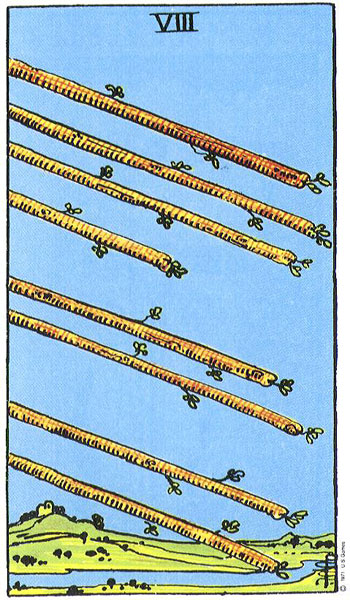
The Minor Arcana Tarot Card corresponding to Mercury in Sagittarius is the Eight of Wands. Both the Rider-Waite-Smith and Crowley-Harris (Thoth) Tarot share the general meaning of this card: swiftness, action, ambition, travel and rapid transmission of information; dynamic events and communication.

When reversed or ill-dignified as they may be under the influence of Mercury retrograde – there may be communication breakdowns, misunderstandings, technological glitches or failures, anxiety, tension, delayed or canceled travel plans and a slow-down or stop to our activities.

In addition this retrograde shares with the Venus retrograde the tendency to dwell on former experiences, reminisce about the past, or unexpectedly meet up with people from your past.

See? True to retrograde form, we’ve returned to where we started. Catch you on the flip side.

About the Author: Dona Murphy

Dona Murphy is the owner of Destiny Tarot. She lives and works in Lake Bluff Illinois as a Tarot reader, Intuitive Counselor and Life Coach. Dona combines her metaphysical and spiritual studies, natural gifts and real-world experience to help her clients solve problems and live their best lives. As she says, “The cards don’t predict your future, they help you create it”.

on Nostalgia by Keva Bartnick

As I sat here trying to go deep into the recesses of my memory banks I came up empty in the nostalgia department. When that happens all I can do is fuss about for a minute or two and try to dig even deeper. In the end, I give up and go find a trigger. Something that works to awaken the sleeping giants within.

What I found is nostalgia is delicate, but potent. In Greek, it simply means “the pains from an old wound.” Described as a twinge in your heart more powerful and potent than mere memory alone. A feeling or a place where you long to go again. That is what I was searching for; looking so desperately to find.

It’s not that I didn’t have nostalgic thoughts. Rememberings of people, places and things. It was that most of the time I didn’t want to go back there again. In the past I’d been known to spend hours upon hours, days upon days replaying situations over and over again. Sucking the marrow straight out of the bone that I clung to so tightly.

Sometimes nostalgia isn’t all it’s cracked up to be.

Sometimes it’s the surroundings you never want to go back to. The smells you never want to smell again. Feelings you just want to put in a box. Shoving it so far back on the shelves in your mind that no one will think to look for it there. Yet still, every so often a memory is triggered. Bringing everything back to the forefront.

I used to groan internally when this happened. As of late I’ve decided that the old ways no longer work for me. Instead, I sit with the box. I open it back up with grace, compassion and love. This time I’ve told myself, “this time will be different.”

No longer do I hide from the pains of nostalgic memory. Instead I pull the memory out of it’s dusty old box. Sitting with it on my lap I lovingly examine it from all sides. I remove the emotion attached to it using a tiny pair of tweezers I keep safe in my pocket. Then and only then do I start asking questions.

Questions that have always been there. But, now with age and wisdom have a better retention rate of success.

Asking it, “why did that happen? What was the lesson?  Who was it suppose to grow the most, me or the other person? When did I finally learn the lesson? Have I grown thru what I went thru?” I go thru any other pertinent questions that spring to mind. After I’m satisfied with the answers that I’ve received, and feel free from the memory. I ask if it’s finally time to put this one to rest?

After I’ve received my answers and I’m happy with the results. It’s time for the pop and circumstance of letting it go. Usually I have a nice chat with myself from that memory. I release all guilt, sadness, and heaviness around it all. Forgiving myself for not knowing better at the time. Understanding that becoming who we are meant to takes time. That we need to be cognizant of the lessons, and release the shame, guilt and any other form of self criticism from it.

Life happens. It’s a glorious journey. No two alike as far as I know.

Yet the past we share with others can be heavy at times. Learning to release it to the halls of space and time is where we grow the most. Letting it go to be with God is where we find the most comfort. Releasing others from the confines of that memory as well since energy never dies. Understanding and forgiving ourselves and everyone involved a must in order to move forward.

Walking forward with a lighter heart after unpacking box after box is freeing to the soul. Showing others that this is how I do it. Feel free to copy as you see fit. Always keeping what resonates and discarding the rest. Healing from painful old stories is what keeps us young, healthy and vibrant. Looking back only to release it. Making more room on the shelves for better memories to come.

Who doesn’t want that in their lives? For me, all I can say is sign a sister up!

About the Author: Keva Bartnick

Keva Bartnick is an artist, writer, and lightworker. Happily married mother of three; she’s been inspiring people to be their most courageous selves since 2015.

Face Time by John Hulme

Facetime_01 by John Hulme

I was in Scotland this time last year…

…wandering.

…soaking up mountain rain.

…scribbling in margins.

So here I am, a year later, thinking about going again, while trying to grow my face back over this eerie blank thing that used to be John.

Actually, I had big plans for this year before my face faded.  I was really gonna break eggs with a big stick, Scotland-wise.

I was planning to do the full 96 miles of the West Highland Way.  I was planning to journal it.  I was planning to…

Oh, I dunno.  It’s all kinda hazy now.  But it was good stuff at the time.

Sitting here in the flat, tweaking closed curtains, closed options and the tail end of a period as an eccentric, shadowy recluse, I find myself drawn back inexorably to a guest house/pub in Oban.

Given my tendency to end up on shorelines, Oban was like a home from home, only with an extra flavouring of mountains.  It’s the place where the ferries set off for the Western isles.

I stayed there a couple of times during my wanders last year, and something about my last evening there proved particularly memorable.

I was enjoying a pint or four in the bar on what turned out to be a quiet night for local trade.  As tends to happen at such times, I found myself sharing more and more life stuff with the bartender.

This is always a hit-and-miss activity – especially when beer is involved.  But on that particular night, there seemed to be a sense of genuine connection in the air.

It was one of those evenings where the air feels rich enough to tease your face back out from behind its wounds.

Stunning mountain scenery can do this with breathless abandon.

Watching the tide roll in on island shores can do this.

But feeling your face begin to unfurl its textures in the presence of another human being…  that’s a whole other deal, no matter how many spectacular the mountain rains are.

Perhaps that’s why a couple of offhand comments about the West Highland Way, which I had discovered on my wanders, and explored a little, seemed to grow some extra gravitas.

We talked about what doing it would mean, what it would say about where my life has been in these past few difficult years…  and what it would say to others who are in such a place now.

It occurs to me that the main reason I have held on to the thought of doing that walk, the main reason it haunts me now, as I find myself hiding behind curtains…

Well, I guess it’s all about those moments in bars, where we suddenly feel shareable again in a world without faces.

About the author, John Hulme

John HulmeJohn Hulme is a British writer from the Wirral, a small peninsula near Liverpool in the North of England. Trained in journalism (in which he has a masters degree), John’s first love was storytelling, trying to make sense of the world around him using his offbeat imagination. Since the death of his mother in 2010, John’s work has grown increasingly personal, and has become heavily influenced by Christian mysticism. This has led to the publication of two poetry books, Fragments of the Awesome (2013) and The Wings of Reborn Eagles (2015). A mix of open mike performances, speaking engagements and local community radio appearances has opened up new avenues which John is now eager to pursue. He is hoping to go on a kind of busking road trip fairly soon, provisionally titled Writer seeks gig, being John.


A Rose Colored Sunday Evening by Bernie Brown

Nostalgia can be as comforting as Linus’s blanket. Don’t take my word for it, science has actually proven it. Idealized memories of one’s past improve self-esteem, enhance confidence, and even increase bodily warmth. It is a powerful positive force, beneficial to your health and well being.

A wistful view of the past triggers much of my writing, a longing to recreate the life I remember as a child in Iowa. Small independent businesses were the norm, music came to us over the radio, and television programs—from domestic comedies to crime shows—shared idealized characters and world views. Part of me knows that even then, there were horrors in the world, but the rosy glow of memory leaves those out.

Writing about that world appeals to me so much more than writing about contemporary times when most activities involve shiny, silver, cold, hard technological devices. Nostalgia allows me to write about the sound of the music on the radio, the smell of summer through an open window, and the taste of popcorn popped on the stove in a saucepan. And the clothes! How I love the clothes, and that they were made from fabrics that had names like seersucker and boucle.

Just to hear Frank Sinatra crooning “Fly Me to the Moon” transports me back to a winter Sunday evening on the farm watching the Ed Sullivan show on our black and white television. I sat on the floor playing with my dolls. My parents sat in their usual spots. Dad slouched on the couch in his undershirt, expertly peeling an apple with a paring knife and sharing the slices, while Mom sat in her chair flipping through a seed catalog. I believed that the romantic and glamorous world Frank Sinatra sang about would one day be mine.

While ole blue eyes had my attention, my brother talked on the phone in the kitchen, having stretched the lengthy, slinky-style cord around the corner from the dining room. We had only one phone in the house, and we kids all had our strategies for keeping conversations private.

Periodically, my brother’s laugh floated into the living room and Dad would turn to the spot where the phone should have been and say, “Get off now. That’s long enough.” After two or three such admonitions, Dad would set aside his apple and paring knife with the shake of his head and a sigh, go address my brother directly, and then resignedly return to the couch.

One of my older sisters waited for her date to pick her up, keeping her eyes on the outside lane, watching for the headlights of a ’52 Chevy or a ’57 Mustang to crest the hill and signal the arrival of her steady. Secretly, I looked forward to my sisters’ dates as much as they did. I had crushes as big as our barn on their boyfriends. My dearest hope was that when they knocked on the door and stepped inside, maybe—just maybe—the boy would look at me and say hi. And then my night would have been made, and I would be more than the invisible kid sister.

I loved the way my sisters dressed in their straight skirts and matching sweaters with detachable lace collars arranged at the neck. They wore makeup and used hairspray and were on their way to movies. To me, the kid on the floor living in the pretend world of my dolls, my sisters’ lives seemed almost as glamorous as the ones Frank sang about.

A few years later, a colored television sat where the black and white model once had, and Petula Clark was Ed Sullivan’s guest. A-line skirts replaced straight ones. My brother had his license, a car, and a steady girl, the same one from the phone conversation. And I was waiting for my date. The handsome young man knocking on the door was for me.

Each era gives way to the next, and for somebody someday, any era—even this one with all its shiny technology—will be looked back at longingly as more ideal than the one in which they find themselves. As the scientists discovered, and as I can personally attest to, writing this nostalgic view of a typical Sunday night from my childhood has enhanced my happiness quotient, raised my body temperature, and made all things seem possible. It has given me as much comfort as a small child gets from its favorite blanket.

About the Author: Bernie Brown

Bernie Brown lives in Raleigh, NC where she writes, reads, sews, and watches birds. Her stories have appeared in Modern Creative Living, Belle Reve, Still Crazy, the Raleigh News and Observer, and several more. She has been nominated for a Pushcart Prize, is a Writer in Residence at the Weymouth Center, and a member of Women’s Fiction Writers Association. One of her stories will appear in an upcoming anthology of short story contest winners from Grateful Steps Publishing. She is currently trying to find a publisher for her first novel. Get to know her better at bablossom.wixsite.com/bernie-brown-writer.


When Nostalgia Becomes Disruptive by Megan Gunnell

We all feel nostalgic from time to time.  Wistfully reflecting back to happier times, positive memories and sentimental feelings about our past.  But when does nostalgia become disruptive? As a psychotherapist, I consider what time zone clients think and live in.  We have various psychological time zones that we live in and some can increase feelings of being stuck, anxious or depressed.

The healthiest place where our thoughts and feelings reside is in the mindful now, but of course we vacillate between thoughts of our past or thoughts of our future and those can have both positive and negative associations.

According to psychologist Professor Philip Zimbardo*, there are 6 psychological times zones that we can live in at any given moment.  2 in the past, 2 in the future and 2 in the present. All of these have a positive and negative slant. Take the past for example.  We can feel inhibited from living in the positive now because of a negative lens on our past. People think those tragic, sad, horrible things happened and therefore we cannot move on. We’re stuck living in the pain of the past.

On the flip side, we can romanticize and over-glorify the past. We can attach to “the good ol’ days” as a way of saying we can’t be happy now because it will never be as good as it was back then. Both of these cause us problems, but the latter is where the danger lies in being overly nostalgic.

The same is true about our future.  One version suggests ‘we can’t be happy in the now, because scary things are potentially in my future’ or ‘I know I’ll be happy when this, that or the other happens in my future.’

If we spend too much time reminiscing about the past or worrying about the future, we can become stuck and frozen in the now. The question that therapists use to assess whether or not a thinking pattern or a behavior is dysfunctional is always, “is this behavior impeding functioning?”  So if you approach the holidays with a longing to hold on to traditions, but you are still able to execute those traditions without an overwhelming sense of sadness or longing for days gone by, then nostalgia elicits sweet memories and is not impeding your functioning.

But if nostalgic thoughts shut you down or you find yourself being flooded with emotions, affect, tears or heartache and pain, you may need to consider reaching out for more support to help you stay connected to the positive now.

What helps when we become overly attached to the past?  Mindfulness practices, gratitude practices, support from friends, family and a good therapist.  First, mindfulness helps us stay present to the moment now in a nonjudgmental, unattached fashion. It helps bring our senses and our awareness to what we’re in front of or engaged in and in turn enhances the richness and quality of life.

Second, gratitude practices help us move from longing for something to be different to finding joy and abundance in what is. Gratitude also helps train our brain to scan for the positive. Nostalgic memories can sometimes link to a feeling of sadness. Perhaps we infuse nostalgia with gratitude and focus on what we’re grateful for when we reflect back on the sweetness of our memories rather than on a melancholy longing to recreate them or return to them.

And finally, support. If we notice that our nostalgia is inhibiting our ability to thrive, we need to reach out for support from family, friends and potentially to a good mental health provider who might be able to help us develop better coping strategies.

Overall, the holiday season has the potential to bring back a sense of nostalgia and the sweet, sentimental memories we recall can be comforting.

But if you notice yourself spending a lot of time thinking about or longing for the past or you feel stuck in the present or uncomfortable in the now, your nostalgic thoughts and feelings might be disruptive and you may need to consider some of these strategies for support.

About the Author: Megan Gunnell

Megan Gunnell is a Psychotherapist, Speaker, Writer, International Retreat Leader with over 20 years experience. She has presented and facilitated workshops and retreats globally and nationwide most notably in Finland at Jyvaskyla University, in Costa Rica at Anamaya and Ahki Resorts, at Miraval Resort and Spa, Arizona, the Bryant University Women’s Summit, Rhode Island and at Red Mountain Resort, Utah. A leading expert in women’s health, self-care and mindfulness, her work helps clients transform, restore and reach their highest potential.
*Reference:

Professor Philip Zimbardo’s presentation on the secret powers of time: https://www.youtube.com/watch?v=A3oIiH7BLmg

Past Home by Selena Taylor

oliver-paaske-760582-unsplashWalking as if he was always there was usually an easy task but when Death was placed in the middle of a corn field it was not as easy. His robes were snagging and pulling on every corn stalk. Sighing, Death tried to keep his pace. Reaching out trying to push the stalks out of his way was not helpful either. It resulted in a stalk crashing him in the face pushing his hood down exposing most of his white skull.


Small but brilliant flames replaced his eyes and a scythe appeared in his hand. With a mighty swing the whole corn field was set on fire. The fire did not touch Death. He welcomed the heat as it was doing him a big favor. As fast as the flames came, they were gone.  Small plumes of smoke came from the ground but nevertheless it was so much easier to walk on. Death’s clipboard warmed in his other skeleton hand. He read the message.

What? I thought you would like the dramatic entrance.

Death rolled his eyes. Something was different about this collection.

Yes, this is different.

He looked away from his clipboard and continued to the farm house in the distance. The walk was easy, and nothing got in his way, only the nagging thought that something was different yet familiar. The porch was not empty, but two rocking chairs and one was occupied. Death glided up the stairs and stood by the figure in the rocking chair.

She just kept smiling. Death checked behind himself to make sure it was him she was smiling at. Having his scythe disappear back to wherever they come from, he pointed to himself.

“Yes you.”

“Why are you so eager to see me?”

“I am not eager. I am merely happy.”

Death looked at his clipboard. It glowed with her information. He read it quickly and let his eyes cast back over to her. Just as he was about to speak, he thought he got a whiff of something. The smell only a Midwestern farm can give. He sighed but continued to speak to the woman.

“You have lived a long life. Some tragedy with your children already being gone. Overall kind and good. No big issues. The seventies were a little fun for you, I saw.” A soft chuckle came from the woman. “So why are you happy to see me?”

“Sit and rock with me, please?”

Death just looked at the old woman.

“Oh, come on. One sit?”

He was not upset about her request; most people made strange requests of him. No, what upset him was the land. It was the smells, it was the house, it was the rocking chairs.

“Why is this time different?” Death turned around and looked out to the land and the setting sun. “This is so familiar.  Yet much has changed.”

“Yes, there have been many changes.”

“The house was never this big.”

“No, it was a two-room cabin. But the porch was here. Some might think it is small today, but it is beautiful. Look at the trim work around the railings. Those are small metals pieces placed in the wood to make the flowers. It took the maker several years, but it was his goal. It has lasted all this time.” The old lady picked up her cane and rubbed a metal piece with the tip of it.

Death looked at her eyes and saw tears go down her cheeks. His emotions got the best of him and he took his skeleton hand, grabbed a piece of the metal, and gave it to her. As the piece left his hand his heart gave a strong beat and he saw something. A memory?

 The old woman asked again about the rocking chair. This time he nodded his head and sat down. This time he became flooded with memories.

“The rocking chairs belonged to him too. They belonged to you.” She reached over and grabbed his hand. A small tear left his eye. It was not how he thought things would go. How could he?

Death searched her eyes, and then turned inward, seeking knowledge on how his line had treated people and how his line was treated by others. Then he saw himself coming from Europe to the United States struggling to make a way in New York. No one dare hire a nasty foreigner. He found a love that helped him gather money and they left for the farming land in the west. They had found this land with a few trees, and they were able to call it home.

Taking some of trees he’d built this cabin. He’d created the porch and carved the lovely set of rocking chairs. The love of his life raised their two children in the tiny home, but it was the nasty Civil War that had stolen his life from him, and he from his family.

His family took the land and made it grow with help of the free people. With all their help his family grew and made a name.

Now it was just her. Him and her again. Together.

“So much has changed.”

“I think it is time for us to go on.”

“You are taking over my job?” Death looked confused.

“It looks to be that way.” His black clothing began to disappear, only to reform on his relative.

She just continued to smile.

“Every way is different I suppose.” Death was becoming himself again. A simple man who wanted to make his wife happy. He saw the country in turmoil. The country that had given a home was hurting. He’d wanted to see all people free an end to slavery. His wife had wanted the same.

“What is to become of this country?”

“I do not know.”

Slowly, a grand mansion formed, replacing the simple cabin. The One formerly known as Death rose from the rocking chair feeling gladness in his heart for the first time in… it didn’t matter how long. A warm, bright light beamed from behind the door, and he moved to face it, and the newly-appointed Death.

“I’m grateful it’s you,” he said. “Thank you.”

Death just nodded her head. A clipboard appeared in her hand and glowed, causing her to look down and chuckle. Flipping it around, she showed him the words.

You are welcome TOO!

He addressed the clipboard. “Good bye to you too, and thank you.” The object merely continued to glow its appreciation.

Death and Death-no-More walked to the door hand-in-hand, but they let go when he reached for the door to open it. The bright light was beautiful. It was overwhelming. It was something no one could truly comprehend without experiencing it, and could never explain… and yet, it was undeniably present.

He turned to the no-longer-old woman – the new Death. “If you need me…” He let the sentence trail off and become and offer rather than a question.

“Yes. Or if you need me.”

The One who Had Been Death walked through the door and into the light. Alone.

About the author, Selena Taylor

Selena TaylorSelena Taylor is a wife, a mother, and a woman who strives to tell the many stories that occupy her mind. She is active in the Rhett & Link fandom and appreciates dark humor.  She and her family live in Illinois, where she takes every opportunity to lose herself under the stars and let her imagination run wild. For more from Selena, check her out on Facebook.

The Invisible Traveling Companion by Jeanie Croope

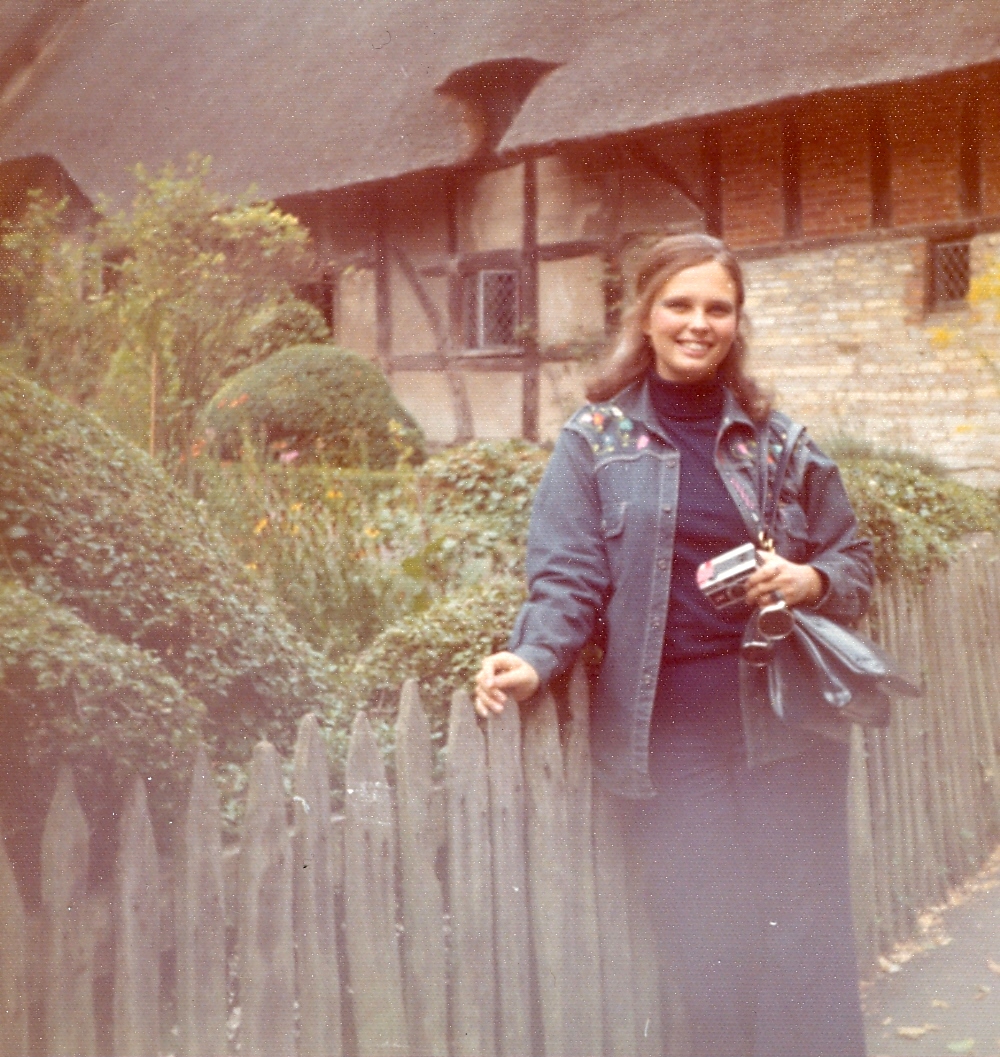
It was early September, 1973. I had just graduated from college and several weeks later would begin graduate school.

For more years than I can remember leading up to that, I had been in love with England. I loved Shakespeare, Jane Austen and Agatha Christie in equal measure. I had a small library about the royal family and yes, a crush on Prince Charles. (Dodged that bullet.) I was studying theatre and longed to see the wonderful theatres in London, to ride the underground and scoot through city streets on the “wrong side of the road” in a black British taxi.

And so, on that early September morning, my mother and I went to London for what would be two weeks of theatre, history and fun.

I was finally a grown-up (though I’d always be her little girl!) and we could talk about things in a grown-up way. I was so comfortable with England that I could truly be the “adult” and guide her around as though I’d been born there.

I chalked up her exhaustion to the differences between a 54-year-old woman and one who had just turned 21, not knowing there were underlying causes.

My mother died several years after that trip, but it wasn’t long after we returned home when she learned she had cancer. Our trips after that were limited to the lake, to relatives within driving distance and to Mayo Clinic. So, in my heart, those two weeks, one-on-one with my mom, were two of the most important weeks in my life.

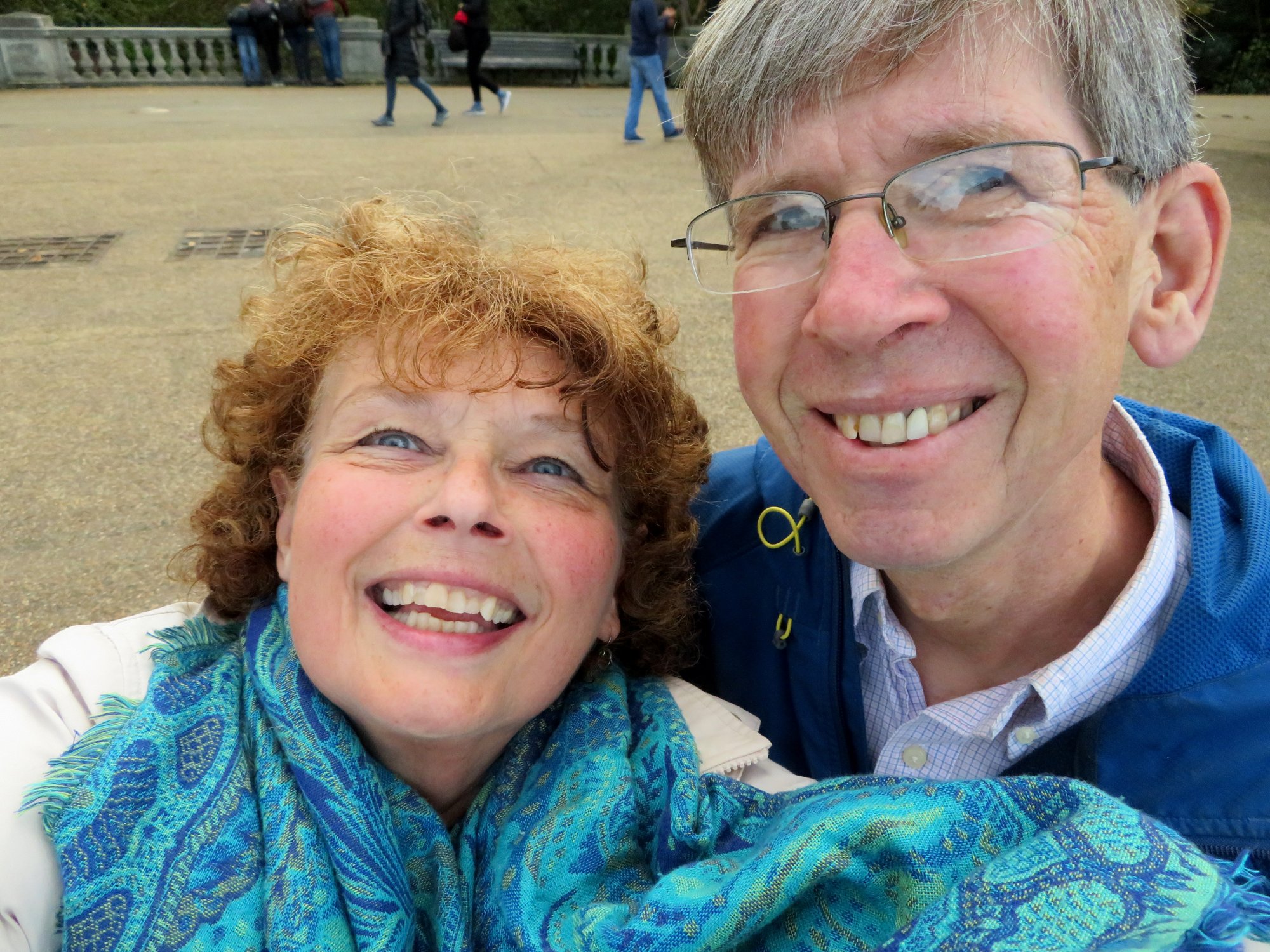
Last month, I returned to England. This time I was with my life partner, the forever guy that my mother never knew. It was his first real trip there, though one might count a 24-hour layover we enjoyed a few years before. That trip I had a temperature of 102 and it rained. (It’s England. It rains.) Did I let it stop me? Not on a bet.

I didn’t let this trip stop me, either, even though I was walking around on ruptured tendons (which I learned after I returned home). I was traveling for myself and to be with Rick, certainly. But I was also traveling for my mom.

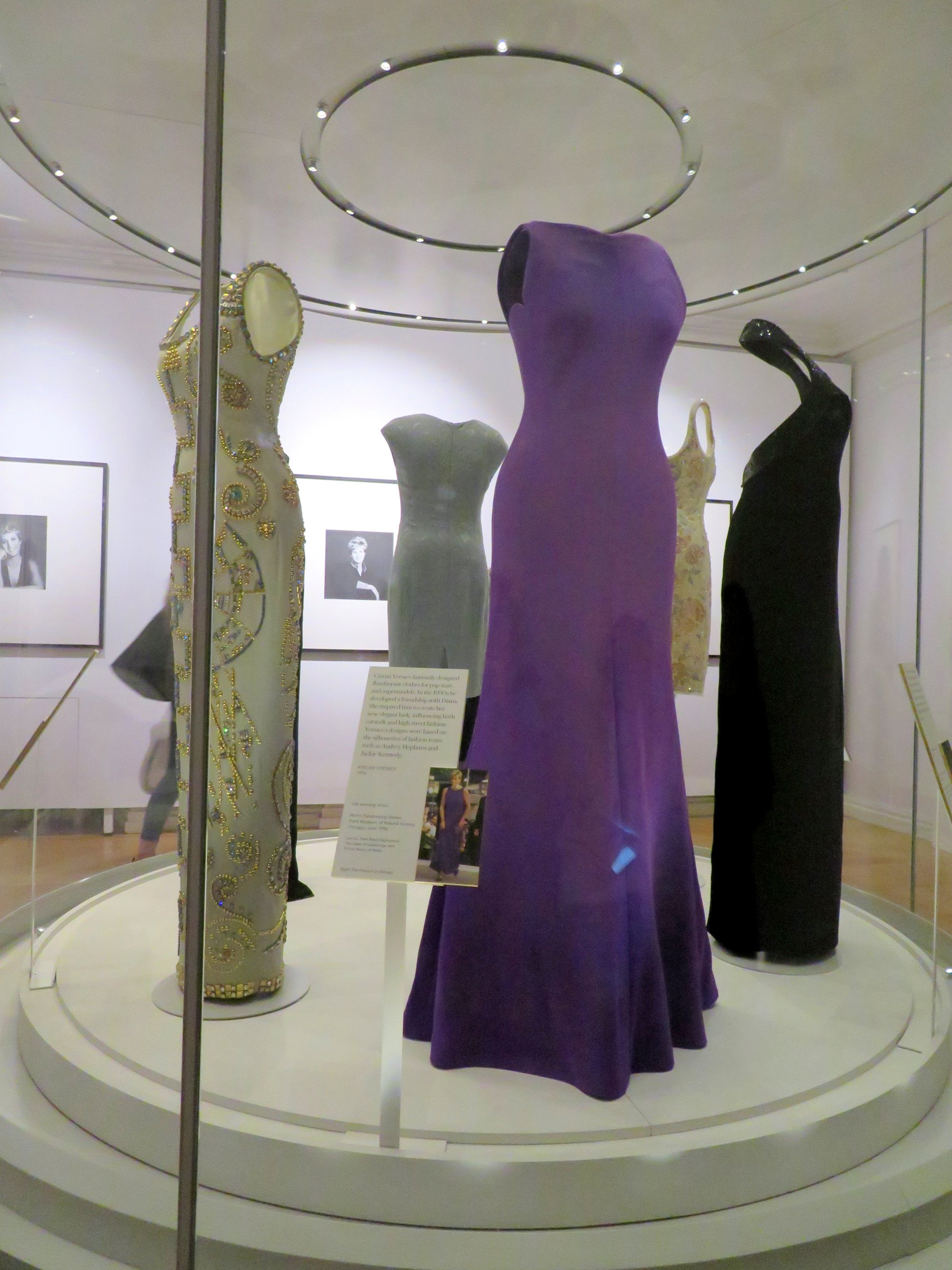
She was a constant presence in my heart as I revisited Kensington Palace. There was so much I didn’t remember from before, but I do remember that we were enchanted with the beauty and the history. This time there was an exhibit of Diana’s dresses. Mom would have loved that.

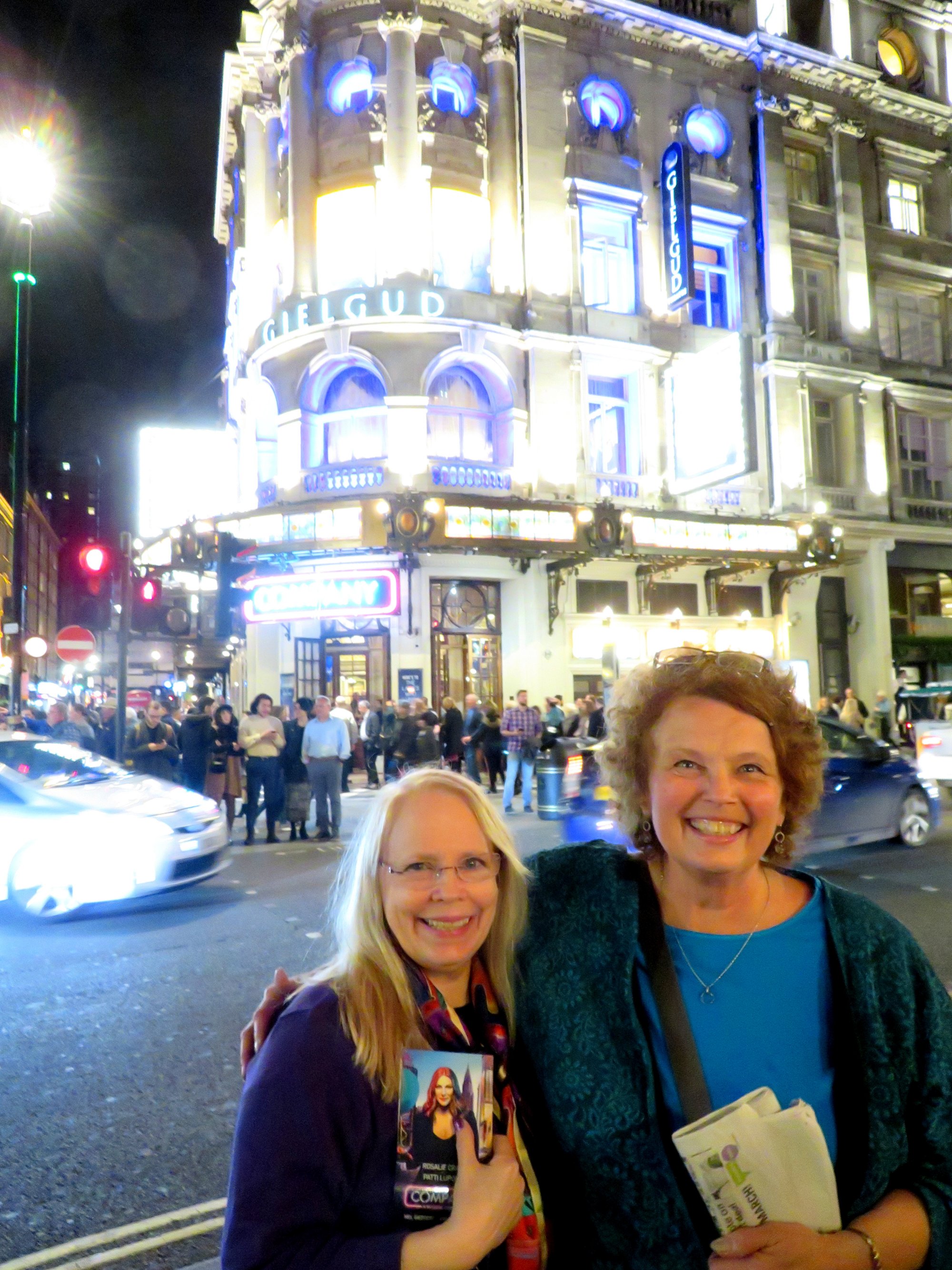
She was in my heart when Rick and I met our friends from the other London (Ontario) to see Stephen Sondheim’s new version of “Company.” Oh, Mom would have been in her glory! She loved a good musical and this one was top notch. And she would have been so happy to know that I was in London with Suzanne — one of my oldest friends and one of a very few who actually knew my mom and remembered her.

She was in my heart when the city bus we were on stopped outside of Westminster Abbey and let us all out because a demonstration up ahead had blocked the route. (We looked and never did find the demonstration.) But I remember going to Westminster with her on a Sunday morning and being in awe of this magnificent structure.

She was in my heart when I rode the escalators from one level to another in the underground, remembering how nervous we were the first time we got on one and realized how steep they really were.

She was in my heart when Rick and I went to Harrod’s and looked at the magnificent food hall. And again when we were in Fortnum and Mason where she and I shared a delectable lunch with one of her old friends.

She was in my heart when I would see brass rubbings hanging in galleries, shops and churches as I remembered our going to a small country church and making our own.

She was in my heart as I visited the church where my great grandmother, whom I never met, was christened and where her parents, my second great-grandparents,  married.

Mom never even knew their names — that was one of my genealogy discoveries. She would have been thrilled to be at my side while Rick and I tracked down information on them in the Westminster archives.

She was in my heart at the National Gallery when we saw Leonardo’s “cartoon” of The Madonna and Saint Anne,” which we had seen together so many years before. I still think it’s my favorite of all his works.

And she was in my heart when Rick and I did things I hadn’t done with my mom, too, as we made our own memories and had experiences she would have loved.

With Rick I carved out new places for my memory bank as we explored the British Library and the Churchill War Rooms; sat under a very old oak tree and ate the sandwich we bought at a deli on the way to Hyde Park; heard magnificent music and spent time with new friends, enjoying the hospitality of a blogger as warm and wonderful in person as on screen. I will remember Rick’s patience and goodness as he pushed me on a wheelchair through museums when I could no longer walk.


We visited cities that Mom and I didn’t have time to see and we made in those places our own memories of things we’d love to see again — Blackwell’s bookstore in Oxford; Evensong at St. George’s Chapel in Windsor; the countryside near Bath where we stayed in a charming cottage and enjoyed tea after a morning walk in a pub while we waited out the rain.

But even then, I knew. Mom would have loved it. Because in a way, she was there. An invisible companion, lodged forever in my heart, watching me create new memories for another day.

About the Author: Jeanie Croope

Jeanie Croope bioAfter a long career in public broadcasting, Jeanie Croope is now doing all the things she loves — art, photography, writing, cooking, reading wonderful books and discovering a multitude of new creative passions. You can find her blogging about life and all the things she loves at The Marmelade Gypsy.