Instrumental: Cultivating Mindfulness (Part One) by Diana Raab

Mindfulness is an important practice for the creative individual, and mindfulness may be defined as being in the here and now. This practice is essential for the best writing, because it taps into the messages of your heart and soul. Being mindful entails awareness and interconnectedness between your inner and outer worlds. If we are more awake and alert, we can more easily receive the messages from within us and from the universe.

In her book, The True Secret of Writing, Natalie Goldberg (2013) reminds us of the importance of mindfulness as we move about our day, whether we are writing, doing errands, or engaging in interpersonal relationships. Some of the characteristics of mindfulness also include being nonjudgmental, being patient, being accepting, trusting, maintaining the beginner’s mind, and letting go.

When considering mindfulness practice or how to quiet your mind, try to sit for a minute and think about what calms you and contemplate how you can incorporate those things into your daily life. Even just a few minutes of walking meditation or mindful breathing can bring you into the present moment. In addition to incorporating mindfulness into your day, such as when standing in line at a store, it is good to practice it before sitting down to write.
My day always begins with a meditation, sometimes even before my coffee. Sometimes I do a shorter meditation later in the afternoon to give me a boost of energy.

Goldberg, in her Zen writing retreats reminds her students to anchor their mind to their breath by using paper and pen to write. This helps you stay in the moment, as does the mantra, “Sit. Walk. Write.”—which she calls the “true secret.”

Even though the mind is a wonderful thing, it can sometimes get in the way of creativity, mainly because the voices in our heads can get in the way of what our heart wants to say. In fact, sometimes the voice in our head turns to the dark part of ourselves. This voice can point to feelings of fear, guilt, anger, sadness, envy, and resentment, instead of a sense of lightness of being. It might seem like a nagging parent or spouse.

The ego has the ability to create false thoughts, which is the inner chatter we hear most often. In fact, it is the voice in our heads that we sometimes try to tell to “shut up.” Otherwise, we can become overwhelmed by these thoughts and lose touch with reality.

This is one reason why during meditation it is a good idea to let thoughts come and go, rather than becoming obsessed by them or focusing on any one in particular. If you focus too intensely on your thoughts, the chance is greater for you to lose touch with the here and now. On a trip to Maui for a writer’s retreat a few years back, I met with Ram Dass, who continues to relay his very important message of “be here now,” dating way back to the 1960s and 1970s.

Those who live in the present moment, often come across as being more grounded. As Ram Dass says, “When you meet a being who is centered you always know it. You always feel a kind of calm, emanation. It always touches you in that place where you feel calm,” he says. The more we bring our focus into the present moment, the more we experience the bliss and joy of that moment and what our true essence is.
I want to leave you with a couple of writing prompts to help you cultivate mindfulness for your creative life.

Writing Prompt

 Practice focusing on the here and now. Take a few slow, deep breaths and focus on your belly. What are you seeing, sensing, hearing, or intuiting at this moment? Ask inside your body what you are feeling. Do you feel discomfort anywhere? Does an image pop into your mind? This is body intelligence.

Writing Prompt

Describe the person your mind thinks you are. What do you look like? What do you believe? What is your connection with the universe or loved ones? Have someone else write about you. Is how they perceive you the same as how you perceive yourself ?

Check in tomorrow for Part Two, focusing on Mindful Meditation. There will be writing prompts for that, too!

About the Author: Diana Raab
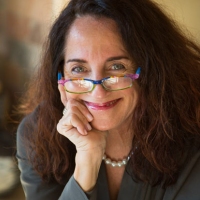
Diana Raab, PhD, MFA, is an award-winner writer, speaker, and educator. She’s an advocate of writing for healing and facilitates workshops in writing for transformation and empowerment. She believes in the importance of writing to achieve wholeness and interconnectedness, which encourages the ability to unleash the true voice of your inner self.

Raab blogs for numerous blogs, including: Psychology Today, Huffington Post, Elephant Journal, Global Thrive, and PsychAlive. She lives in Southern California. Connect with her on Twitter, Facebook, and Goodreads.

Quick Connections by John Grey

Amanda,
sit quietly with me,
leave your chatter
to the cell phone,
let it talk with other cell-phones
long into the night
while we sit here
and watch the stars.

They’re suns,
they glitter,
not twitter,
balls of fire,
of light,
the two things missing
in our close-connected world.

Amanda,
tonight
let it just be me, you
and the heavens,
modest but clear
communication channels
on an age-old frequency.

About the Author: John Grey

John Grey is an Australian poet, US resident. Recently published in New Plains Review, South Carolina Review, Gargoyle and Big Muddy Review with work upcoming in Louisiana Review, Cape Rock and Spoon River Poetry Review.

Sunday Brunch: At the Movies

As I write this, it’s 8:30 on Saturday evening, and the temperature outside is still over ninety degrees (that’s a bit over thirty-three to people outside the USA). Even in the Dallas suburbs, where I live, this is unusually hot for the beginning of June. It’s the kind of heat that makes me too lazy to write, the kind of heat where I end up spending more hours in the pool than out of it, the kind of heat where my favorite non-aquatic activity is escaping to the movies.

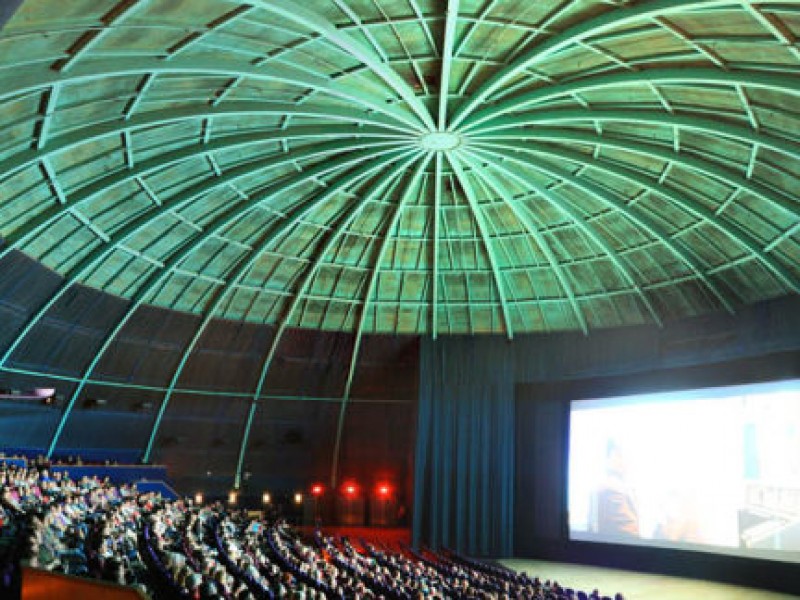
DomeTheater-02

The great thing about summer – not meteorological summer, but fiscal summer – the weeks from Memorial Day to Labor Day, is that in addition to being conducive to curling up in my air-conditioned living room and getting lost in a book, or spending entire days devoted to perfecting my butterfly stroke, it’s also the season of summer blockbusters at the local movie theaters.

Escaping to the movies, whether to beat the heat by spending a few hours in someone else’s air conditioning or just to break out of the doldrums that even the most creative of us find ourselves in from time to time, has been something I’ve done since childhood.

At five, six, and seven my friends and I were obsessed with Grease (we used deflated balloons to make leather pants for our Barbie dolls) and Jaws (we played “shark attack” in the pool, and actually listened to the life guards at the beach).

At ten, my friends and I were deemed old enough to ride our bikes to the local movie theater. In groups of three or four or six, we’d meet outside the tan, cement building, and head inside where we’d watch kid-friendly fare like Escape to Witch Mountain or The Last Flight of Noah’s Ark. At twelve, in a different city and state, my friends and I saw Annie at least a dozen times (we’d grown up with the soundtrack to the musical), but that summer also gave us a few movies I saw with my mother and the new members of our family, my stepfather, stepbrother, and step-grandmother (Bubbie): E.T. and Star Trek II: The Wrath of Khan. Those movie trips made an impression on Bubbie, too. Until the day she died, any time she visited she wanted to know if there was another Star Trek film to see.

As I grew older, my movie tastes changed somewhat, but sitting in a dark theater with popcorn, junior mints, and a soda so big it was practically a tanker was still the activity in between music camp and drama camp and taking original credit classes in summer school. The year I was fourteen, we had Ghostbusters, Gremlins, The Karate Kid, Indiana Jones and the Temple of Doom and, yes, another Star Trek entry (number three, The Search for Spock), but we also had Sixteen Candles, Hard to Hold (which, I’m not above admitting, my girlfriends and I saw multiple times mostly because of Rick Springfield’s naked butt), Streets of Fire, and Firestarter, which is what caused me to become enamored with Stephen King’s writing, thus starting another summer tradition of reading his novels and avoiding cellars and sewer grates.

Later movie experiences often involved more than just the movie.

Star Trek IV: The Voyage Home caused a sort of cognitive dissonance every time I saw it, because I expected sunny, hot, Fresno to be drenched in rain, as the end of the film was. A Fish Called Wanda was part of a weekend of adventures during my first year at the University of San Francisco – one that involved ghost hunting at the Lone Mountain campus, and a city-wide blackout.

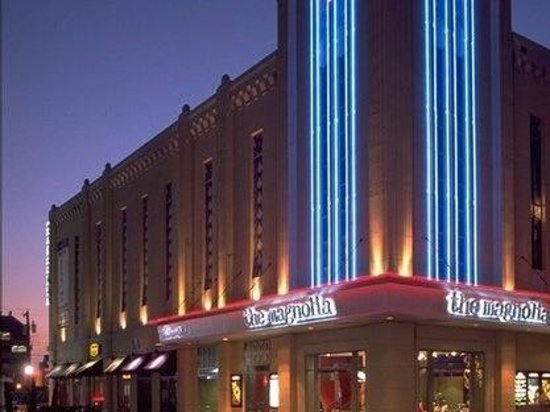
landmark-s-magnolia-theatreA controversial art film, The Lover, about a French schoolgirl’s affair with a much older Chinese man in 1920’s Saigon, was also the first movie I saw in the middle of a rare, rainy summer afternoon, in a theater empty except for me and my then-lover, who was ten years older than my twenty-one-year-old self.

Star Trek: Generations was the first movie I saw with my now-husband, and the scene of our first kiss. (We met online, and he rode a bus for three days to meet me in person. Let me tell you – that is real love.)

Apollo 13 saved us from an evening in an apartment with a broken air conditioner. A summer classics series that included Casablanca came with gelato. We walked hand in hand through downtown Dallas after seeing Midnight in Paris, and we danced in the parking lot after seeing Mama Mia (admit it: you did, too).

While I love old movie houses and art films, my husband is much more into summer blockbusters full of space battles and explosions. We compromise, of course, trading who gets to choose the movie. Most often, these days, we go to the local Studio Movie Grill, about eight miles from our house – this despite the fact that there are two movie theaters in our neighborhood – because it eliminates the need to decide if we’re eating before or after the film, and where.

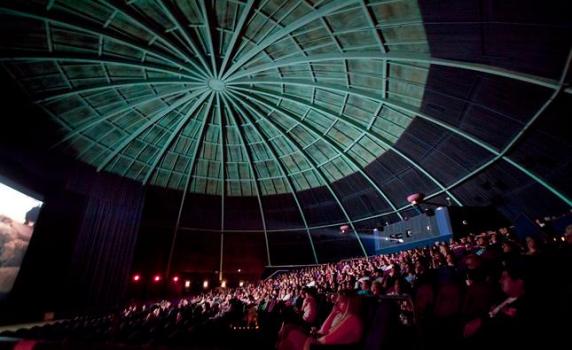
I love the old movie theaters in San Francisco, and the modern IMAX theaters in San Jose and Dallas that I’ve been to, but my favorite theaters ever were the Century theaters across the street from the Winchester Mystery House – yes, that one. They’re all closed now, but they were giant dome theaters with only one or two screens in each. The biggest one had seating for a thousand, and if you were among the first four hundred people in the door, you’d get an awesome seat, though, truly, none were bad.

Going to a movie there came with a sense of grandeur that I don’t remember ever feeling at the movies anywhere else, but it was also seasoned with a great deal of fun. When we went there for big opening night showings, after waiting in line in the parking lot for three hours or longer, it was like a party. People would be bouncing beach balls from the balcony to the main floor and back, and one time a gentleman in full Klingon regalia (I think it was for First Contact) garnered applause from the entire house by standing up on his chair and announcing: “I have a cell phone and I am turning it OFF. You should, too.”

Unlike many of my friends, I don’t like empty theaters. Part of the thrill, for me, is grooving on the energy of the crowd.

We haven’t yet been to the movies this weekend, but both Deadpool II and Solo: A Star Wars Story are awaiting our attention. Still, the heat index is supposed to be just as high next weekend, and I’m always up for spending a few hours in cool, dark escapism.

If I’m not in the pool, you’ll find me at the movies.

dometheater-01

About the author: Melissa A. Bartell

Melissa is a writer, voice actor, podcaster, itinerant musician, voracious reader, and collector of hats and rescue dogs. She is the author of The Bathtub Mermaid: Tales from the Holiday Tub. You can learn more about her on her blog, listen to her podcast, or connect with her on on Facebook, Instagram, or Twitter.


Come for Dinner by Patricia Wellingham-Jones

Copyright: <a href='https://www.123rf.com/profile_bialasiewicz'>bialasiewicz / 123RF Stock Photo</a>


We see each other at the market
as we often do these days.
I’m making soup, say,
Why not come help me eat it?
She says, Oh no,
I don’t go out since Bob died.

I say, C’mon, it’ll do you good
and I’d enjoy your company.

She dithers, guards that sorrow
as if it were a storehouse of gold.
At five on the dot
she’s at my door,
wine bottle in hand.
Her kids cheer.

About the Author: Patricia Wellingham-Jones

PatriciaWellingham-JonesPatricia Wellingham-Jones is a widely published former psychology researcher and writer/editor. She has a special interest in healing writing, with poems recently in The Widow’s Handbook (Kent State University Press). Chapbooks include Don’t Turn Away: poems about breast cancer, End-Cycle: poems about caregiving, Apple Blossoms at Eye Level, Voices on the Land and Hormone Stew.

Sunday Sensations: Family isn’t Only Blood


I’m a mother, but I’ve never given birth.

Two years ago, I became the mother do an amazing boy. It was a role I had wanted for a long time. Even as a young child, I pictured myself being a mom and having a boy as my first child. Some may stress the idea that I’m a “step-” mom, but for my son, my husband and myself, I’m just “mom.”

I’ve never agreed with those who counted family only by DNA. Growing up in a strong Christian home, the idea of adoption is strongly woven into my faith. It’s also a prevalent theme in sci-fi and fantasy (the second strongest influence in my life). In books like Lord of the Rings to TV shows like Star Trek show that some bonds are stronger than blood.

In my personal life, I’ve found this to be true. Family is the people you can count on. They’re the people that show up when you need help. Family stays. Family shows up.

So, when it comes to adding to our family, my husband and I are open to all sorts of avenues to make it happen.

We both adore children. I’ve worked with kids since I was 13 years old. There’s a special warmth and love in my heart for them. Even before we were married, we both felt that we have big enough hearts to bring in kids through adoption. My husband was adopted himself and wants to give another kid a chance like he had. We know that the entire plight of orphans is overwhelming. There are so many amazing kids here in the states and overseas who need help — it’s hard to know where to start.

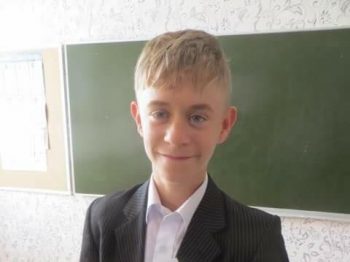
This summer, we’re taking a step down one of the many roads available for adoption – we’re hosting a child from Eastern Europe for six weeks. This is K.

K is 14, he lives in an orphanage and he loves breakdancing. He is easy-going and a bit shy. Although he has been available for hosting for two times, he has never been chosen. Teenaged boys are always, always left behind while younger kids and girls move forward to hosting or adoption.

100,000+ kids live without families in K’s country. A developing economy and increasing conflicts cause nutritional shortages for their underfunded institutions. Kids like K get little fresh fruit or meat, let alone access to a regular, healthy diet. Pollution from the worst nuclear power disaster in the history still causes a sharp increase in the number of children born with birth defects and their abandonment rate is high. Lack of resources, access to medical care, and training has caused a large problem that many people are trying to combat, but they need help. Programs like the one that K is in give these kids access to resources to give them a better chance at surviving and thriving.

K’s country, among others, stops providing care for orphans when they are 16. They leave the orphanage with no support system, limited skills and education, and the social stigma of being an unwanted child.

Our hearts were touched – and nearly broken – by the fate of children overseas in orphanages. There are kids suffering. We wanted to do something.

Once we have hosted a kid like K, we can be in line to either adopt him or become an advocate for him. Either way, K will be part of our family. If he stays in his country, we can help with planning his future, keep in contact and encourage him as he grows up. We will find mentors, give him presents on holidays, scour for resources and help him every way we can, just as we would our legal kid. We can give him a better advantage that he would have had before. That’s the logistics, and it doesn’t even count the benefits of just being loved and cared about.

He’ll have a family — even if we don’t share DNA.

About the author: Tabitha Grace Challis

Tabitha Grace ChallisTabitha is a social media strategist, writer, blogger, and professional geek. Among her published works are the children’s books Jack the Kitten is Very Brave and Machu the Cat is Very Hungry, both published under the name Tabitha Grace Smith. A California girl (always and forever) she now lives in Maryland with her husband, son, and a collection of cats, dogs, and chickens. Find out more about her on her Amazon author page or follow her on Twitter: @Tabz.
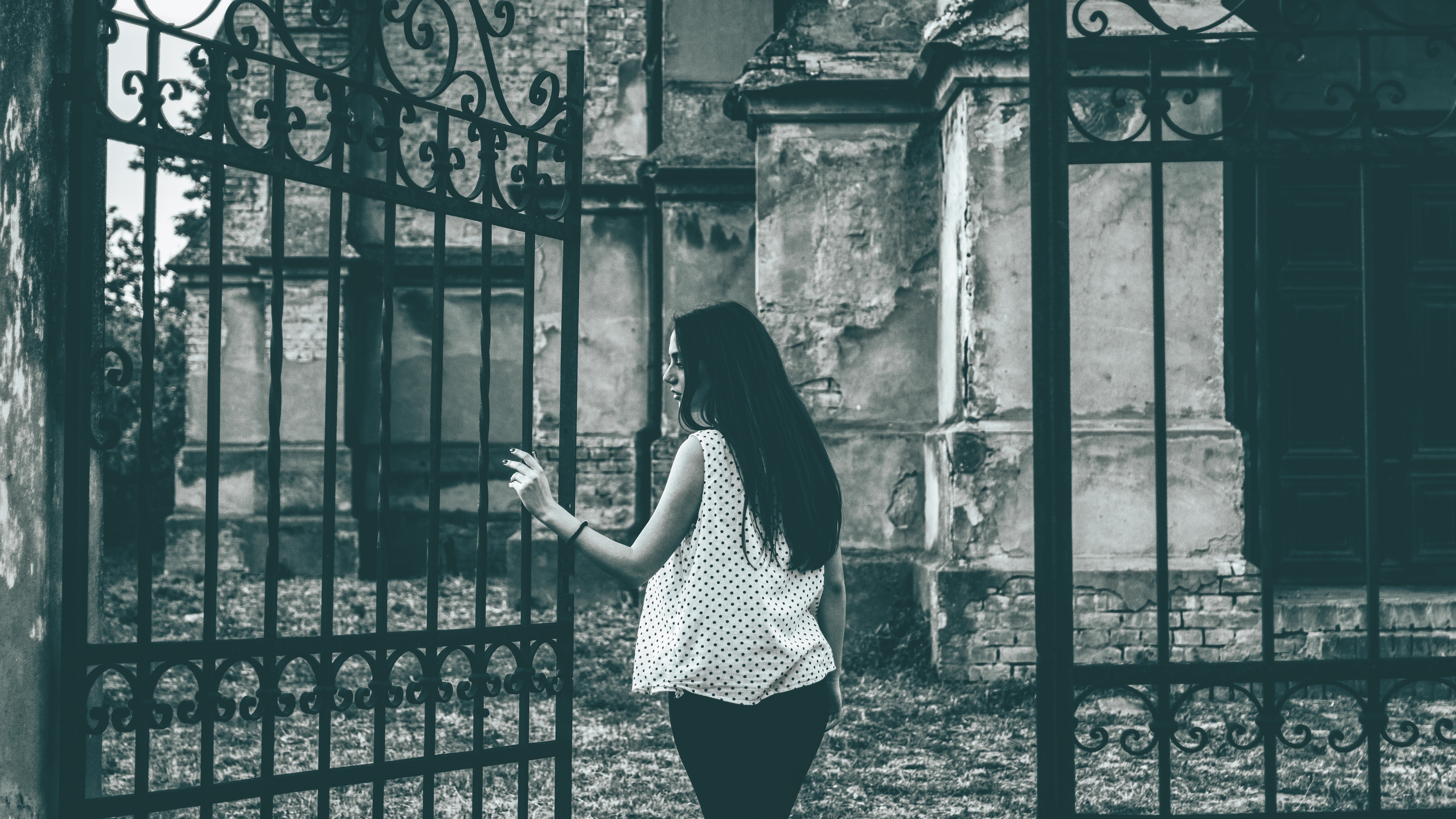
Melpomene at the Gates

Photo by Milan Surbatovic on Unsplash


Melpomene stood with her sisters at the Gates of Imagination, and waited for the Call.

Unlike the others, who could provide artistic or scientific inspiration on a whim, her gifts were reactionary. They had to be triggered. Terpsichore could tickle a baby’s foot and that child would grow up with the gift of dance. She’d done it so many times: Isadora Duncan was a favorite example. And Euterpe – she was always name-dropping. Everyone from Bach to Billy Joel had felt that sister’s Touch.

But Melpomene was the darker Muse. Her lot was to Whisper into the ears of those who had experienced tragedy, suffering, pain, and loss, and help them find the tiny spark of creativity that always managed to survive.

Her sisters worked alone. They were of the light, and their strength was found in sun and warmth, laughter and joy.

Mel (she thought of herself as ‘Mel’ – more approachable, right?) had a team. Trolls and imps and leather-winged nameless beings. They were her agents, ugly on the surface, with grotesque faces and twisted frames.

And yet, they were gentle beings, who only wished to help.

There! A photographer contemplating the way we look when we die is Visited by the imp who guides her camera. Use the light THIS way. Change the focus like THAT.

And there: a woman grieves for her miscarried fetus. The Troll she sends helps turn that tragedy into a brilliant career as a grief counselor.

But over there – Mel shuddered and Summoned her agents to her side. For this disaster, they would be her escorts. Maybe it’s a hurricane, and she would help the suddenly homeless replace places and things with fond memories, or inspire a nurse to volunteer as an aid worker. Maybe it’s a great fire, and her winged Helpers could Whisper to those who would help save animals, provide shelter, build firebreaks for their neighbors.

The Muse of tragedy Walked among the lost and the hurting, identified a need, and helped spark a solution.

But…

Sometimes…

Sometimes Mel got to act a little more like her sisters.

The boy who feared a neighbor’s dog and was almost hit by a car was urged to turn his fears into stories and novels.

The young woman who loved to read classic poetry became the adult who set them to music, and went farther, eventually composing haunting tunes about mummers and midnight train rides.

And the child who had the image of a strange man’s face, looking up at him from the street below, engraved upon his memory, turned that fear into an idea, a pitch, a script, and eventually a franchise about a monster who haunts your dreams.

Erato, Clio and the others were lauded for the way they Pushed their charges into music, poetry, dance, and drama.

Mel was often overlooked: The smallest sister. The one with murky moods and a quiet Otherness about her. She could be cryptic sometimes. She meant well, but her power came from the dark.

Still, tragedy struck randomly and far more often than most knew – or cared to – and when it did, Melpomene and her Darklings would be there, ready to help in their own way.

And until then?

Melpomene and her imps and trolls waited at the Gates of Imagination, watching as the other Muses came and went in light pursuits, as they remained, waiting, straining their ears to hear their Call.

Photo by Milan Surbatovic on Unsplash

About the author: Melissa A. Bartell

Melissa is a writer, voice actor, podcaster, itinerant musician, voracious reader, and collector of hats and rescue dogs. She is the author of The Bathtub Mermaid: Tales from the Holiday Tub. You can learn more about her on her blog, listen to her podcast, or connect with her on on Facebook, Instagram, or Twitter.

Instrumental: Mindfulness. A Path Toward Healthier Creativity and Balance by Sweta Vikram

Creativity takes vulnerability. Creativity takes courage. Creativity takes honesty. As Brené Brown so eloquently says, “Owning our story can be hard but not nearly as difficult as spending our lives running from it. Embracing our vulnerabilities is risky but not nearly as dangerous as giving up on love and belonging and joy—the experiences that make us the most vulnerable. Only when we are brave enough to explore the darkness will we discover the infinite power of our light.”

While the process of writing and sharing, our stories can be empowering, the in-between process can turn us writers into wrecks. Writing can sometimes mean opening certain doors from your past you had sealed shut. It can feel like picking on the scabs of a wound until it starts to bleed again. Sometimes, writing can introduce us to the inhumanity and darkness in the world.

I have spoken with memoirists who explore themes of darkness from their childhoods. That often means collecting memorabilia, going through diaries and journals, talking to a few accessible family members and often, their perpetrators. Can you imagine the different ways this path can lead to if they aren’t careful?

People like to believe that distraught, broken, sleep-deprived artists truly lead the creative life. I would argue against that. If you are mindful, your creativity won’t necessarily be nestled in an unstable space all the time.

What is mindfulness? As Mindful.org says, “Mindfulness is the basic human ability to be fully present, aware of where we are and what we’re doing, and not overly reactive or overwhelmed by what’s going on around us.”

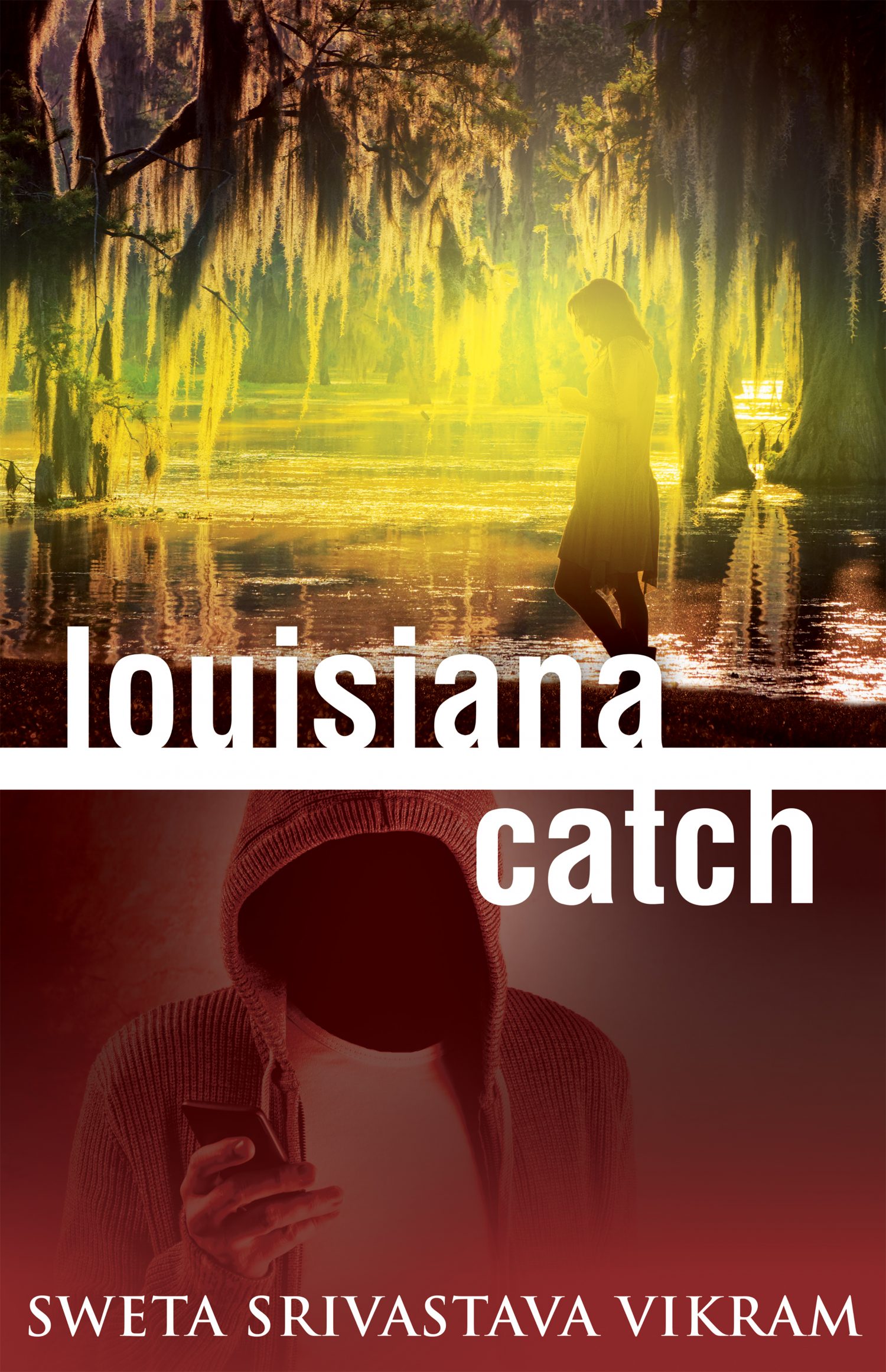
In Louisiana Catch, Ahana (the female protagonist) is a marital rape survivor. Though she ends up organizing the largest feminist conference in New Orleans and meets a great guy eventually, she is hurt by her husband. Writing about a marital survivor with respect and authenticity meant interviewing women who had been through this heinous crime; talking to experts and psychotherapists to understand what danger at home can do to a woman; and, reading up immensely on all the information available on rape within a marriage.

I elevated my yoga and meditation practice during this period of creativity as they help lower stress and release happy hormones. Mindfulness meant being aware of what nurtured me and what hurt. For instance, I made sure I didn’t watch anything on television or a film that was triggering.

Think about the authenticity of the story. What I mean is that if you aren’t writing about yourself (If you call it fiction, you shouldn’t be writing about yourself), your character needs to have their own voice of reason and action that might not mirror yours.

I am a social issue advocate and fierce expressionist of women’s rights. I also teach yoga to female survivors of trauma and rape. Ahana in Louisiana Catch is the opposite of me.  For instance, writing about Ahana’s danger in Louisiana Catch was disturbing to me. And there were times, I would find myself talking to my character, “Girl, don’t do this.” Ha ha, spending six years with your characters will make you believe they are real people. Every time that I felt I was slipping and creating Ahana’s responses based on my personality, I would walk away. Mindfulness helped me create healthy boundaries between fiction and reality.

Truth: Researchers have found that writers face a greater risk of depression, anxiety disorders, and substance abuse. Before we reveal our souls to the world, we need to be strong within. For writers, it is extremely important to take care of whatever and whoever helps us keep it together so every little rejection, research, review, and response doesn’t shake us to the core. Geniuses like Sylvia Plath, Hunter Thomson, Virginia Woolf, Ernest Hemingway, Yukio Mishima, Anne Sexton, and David Foster Wallace shared stories about the world with us, but when it came to their own lives, they couldn’t cope with reality.

Cultivating a mindfulness practice can gently remind: how much is too much, nudge you to tell truer stories, and introduce you to a healthier and happier space where creativity can reside.

About the Author: Sweta Vikram

Sweta Srivastava Vikram is a best-selling author of 11 books, a wellness columnist, and a mindfulness writing coach.  Featured by Asian Fusion as “one of the most influential Asians of our time,” Sweta writes about women, multiculturalism, and identity. Her work has appeared in The New York Times and other publications across nice countries and three continents.

Louisiana Catch (Modern History Press 2018) is her debut U.S. novel. Born in India, Sweta grew up between the Indian Himalayas, Northern Africa, and the United States collecting and sharing stories. Exposure to this vast societal spectrum inspired her to become an advocate for social issues and also to get certified as a Holistic Health Counselor. In this avatar, Sweta is the CEO-Founder of NimmiLife through which she helps people elevate their productivity and creativity using Ayurveda and yoga. A certified yoga teacher, Sweta also teaches yoga and mindfulness to female survivors of rape and domestic violence. She lives with her husband in New York City.


Typical (Tarot) Tuesday with Dona Murphy

Full disclosure: a typical Tuesday for me is pretty much like any other day of the week.  I am in happily indentured servitude to an elderly cat who has several nicknames including SWMBO (that’s Swimbo) – She Who Must Be Obeyed. No day starts without attending to her needs first. No exceptions. Although I am allowed a quick trip to the bathroom so we’re not both trying to use the litter-box at the same time.

After meeting the physical and emotional requirements of her most exalted and revered personage, my day is then pretty much my own.

Tuesday – or Tarot Tuesday – is the day my weekly Tarotcast gets published. This practice grew out of my Tarot Tuesday live radio shows/podcasts from back in the day. I draw the card of the week at random. The general meaning of each card remains consistent. The real-time astrological aspects of that week are compared to or contrasted with the energy of the card, resulting in a forecast of what we can expect for the week ahead.  The interpretation combines the influences of Tarot and Astrology. I also include power colors, metals and gemstones as well as scents and foods to use that enhance or help balance out the energies of the week. (Home alchemy!).

Spring is in the air at least in theory – the weather hasn’t quite gotten the message yet. So I meditated on the theme of this issue. What does it mean to cultivate? Though not chosen at random, the four Tarot cards that follow show me the ways we grow. Whether plants or people; whether the growth is literal, physical, emotional or spiritual.

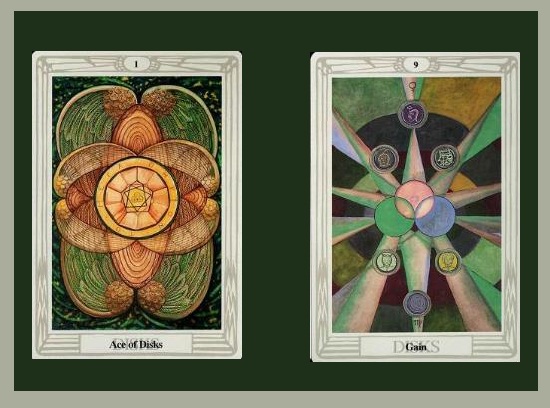
The suit of Disks (Pentacles, Coins) in the Minor Arcana of the Tarot represents the Earth element. Perfect for the physical preparation of soil to grow crops or plants!

The Ace of Disks shows us the potential for reaping the rewards of our efforts. With careful planning and preparation, with diligence and patience, our gardens will grow. Food will nourish our bodies. Beautiful flowers and plants will nourish our souls.

The Nine of Disks shows us a lush and fruitful garden. It thrives through thoughtful and careful fostering. The gardener herself has also grown in self-confidence, independence and wisdom.

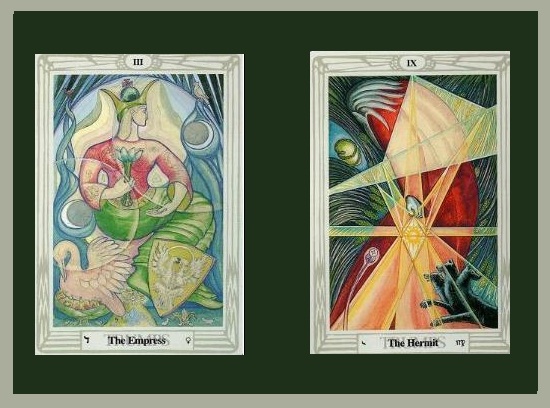
The Empress of the Major Arcana is the Mother – she is the archetype of fertility and the spring of the year. She encourages her children and loved ones with unconditional love. She furthers their growth and development. In extreme circumstances she will sacrifice herself if necessary, but she isn’t a martyr.   She can make the seed of an idea manifest in the physical world. She fiercely protects newly-born creations.

The Hermit of the Major Arcana is the Wise Teacher – he extends his hand to help others and lifts his lamp to illuminate the darkness. He shares his knowledge and wisdom. He encourages the seeker to study, practice and refine his or her own body of knowledge; then to journey within to develop his or her own wisdom. He is the fulfillment of the cycle of growth and represents the harvest. He is the autumn of the year – when the crops are successfully gathered, the earth goes dormant. From that withdrawal and rest will come rebirth.

This year Pluto will retrograde in the Earth-sign of Capricorn on April 22nd and will turn direct on September 30th. Retrograde planets all create their own unique blend of mischief and benefit. There is no retrograde planet better for getting us to complete old projects, abandon old patterns, and clear up any leftover detritus than Pluto – the planet of destruction and regeneration. Whatever the challenge or problem in our lives that appears insurmountable, irreparable or unchanging – it could turn out to be as insubstantial and fleeting as the April rain and early spring blooms. Here today, gone tomorrow.

Starting with the spring planting, we begin anew. With renewal comes both a touch of melancholy and a spark of tender hope. We are bidding farewell to the past while welcoming a still-uncertain future. In the autumn we reap what we have sown and tended. In between, I do my best to cultivate patience, even when I’m restless – especially then.

Here is Pluto retrograde’s beautiful strangeness described by T.S. Eliot in The Waste Land:

“That corpse you planted last year in your garden,
“Has it begun to sprout? Will it bloom this year?
“Or has the sudden frost disturbed its bed?”

I hope my garden (and yours) sprouts nothing any more (or less) exotic than tulips and daffodils. But typical Tuesdays can be strange days indeed.

About the Author: Dona Murphy

Dona Murphy is the owner of Destiny Tarot. She lives and works in Lake Bluff Illinois as a Tarot reader, Intuitive Counselor and Life Coach. Dona combines her metaphysical and spiritual studies, natural gifts and real-world experience to help her clients solve problems and live their best lives. As she says, “The cards don’t predict your future, they help you create it”.

Sunday Brunch: Run for the Roses

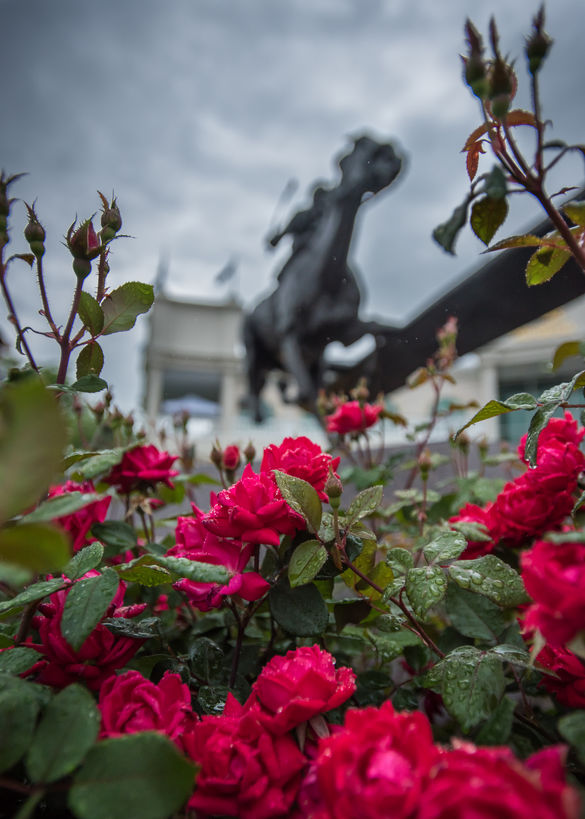
Yesterday evening, in a steady rainstorm, twenty-three colts made a run for the roses in the 144th Kentucky Derby. (Spoiler alert: Justify won.)

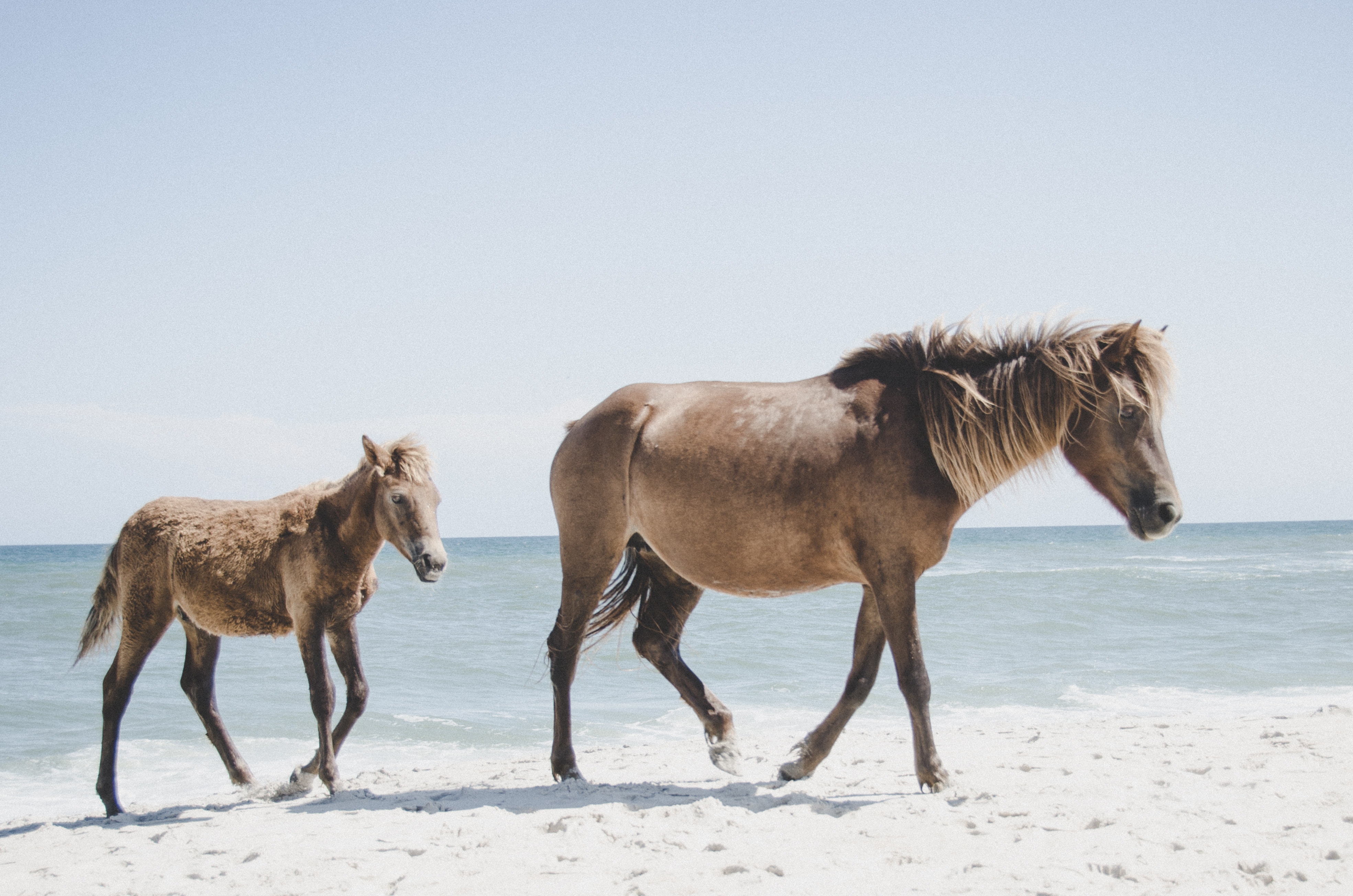
I have always loved horses. When I was little I fell in love with Marguerite Henry’s books about Misty and Phantom. (To this day, I fantasize about seeing the wild ponies in their annual swim from Assateague to Chincoteague. ) When I was nine, my mother gave me a summer at riding camp. My two favorite ponies were Taffy and Blitzen, both retired from working on NBC television shows and living out their lives as school ponies in New Jersey.

jerry-kiesewetter-206539-unsplash

These days, I get my horse “fix” by watching thoroughbred racing and the occasional cheesy-but-relevant Hallmark movie on television, but in my head, the scent of sweet hay, the soft whickering of the ponies and the feeling of a leather saddle underneath me are as vivid as if they were real.

As much as I have always loved horses, I’ve always hated roses.

Well, not all roses.

I don’t like the roses that come in commercial bouquets. The one’s with thorns that are genetically modified to be smaller and less “sticky,” with long stems, and vivid colors, but no aroma.

But I love backyard roses.

Specifically, I love my grandmother’s backyard rose bushes.luke-barnard-111493-unsplash

I don’t know if they had specific names. I don’t know if she grew them from cuttings or my grandfather bought them for her.

I just remember that they were big – big as those ‘blooming onion’ appetizers – and no two were alike. Oh, I’m pretty sure one of the bushes started out red and one started out yellow, but in my memories, they were always combinations of the two, the colors swirled together as if someone had stirred two colors of paint in a bucket and dipped the blossoms into it.

My childhood summers were filled with those roses.

Outside, on hot summer days when we weren’t at the beach or visiting someone with a swimming pool, we’d run through the sprinklers, careful not to step too close to the rose bushes. BareCopyright: <a href='https://www.123rf.com/profile_kellyvandellen'>kellyvandellen / 123RF Stock Photo</a> feet and huge thorns do not mix well.

Inside, roses were everywhere. If a blossom broke off the bush without enough stem, she’d float it in a bowl of water. Otherwise, any vase or vase-like container was pressed into service. Old juice bottles, proper crystal vases, a tall glass that no longer had any mates, even a chipped milk pitcher might be found on a side table, a window sill, a nightstand, a bathroom counter with a rose or three.

And the petals! When the flowers dried naturally my grandmother saved the petals, creating her own delicate potpourri, pots of petals in every room of the house. Somehow, though, the scent was never cloying, only a gentle, wafting presence, sweetening the air.

Less frequently, my grandmother would decide to press the flowers, and dry them that way. For years, if you pulled a thick book – the dictionary, a big red book of fairy tales (two volumes of those, actually), even the Bible – you might have a pressed flower land in your lap. After she died, I even found one in her ancient address book, at the bottom of her knitting bag, which had been unused for years!

Sometimes, on rainy Sundays, my husband and I will pass one of those street-corner tents where they sell roses for $10 or $20 a bunch, and I almost – almost – want to stop and buy some, but we never do, because hothouse roses never have any perfume. They’re like illusions of roses: all form, no substance.

And sometimes, when I’m sad or not feeling well, I’ll lie in bed in that state halfway between dreaming and waking, and I’ll feel my grandmother’s cool hand stroke my brow, and I’ll breathe in the scent of roses – the scent I’ve associated with her for as long as I can remember.

Yesterday evening, in a steady rainstorm, twenty-three colts made a run for the roses in the 144th Kentucky Derby. But me? I’ve been running away from commercial roses for as long as I can remember. I’ve also been running for the backyard roses of my childhood for half my life, and they remain elusive as ever.

About the author: Melissa A. Bartell

Melissa is a writer, voice actor, podcaster, itinerant musician, voracious reader, and collector of hats and rescue dogs. She is the author of The Bathtub Mermaid: Tales from the Holiday Tub. You can learn more about her on her blog, listen to her podcast, or connect with her on on Facebook, Instagram, or Twitter.


Horse Photo by Jerry Kiesewetter on Unsplash  | Rose Photo by Luke Barnard on Unsplash  | Churchill Downs Photo By kellyvandellen / 123RF Stock Photo

My Soul to Take by Selena Taylor.

Photo by Sharon McCutcheon on Unsplash


When I think about my childhood dreams, I never saw this coming. I wanted normal things:  grow up , find a partner, and do something I was good at.

Apparently, collecting souls is what I’m good at.

It started roughly 70 years ago, right at the end of The Second World War. I wasn’t going home. I was shot while I was giving medical attention to a fallen brother. It all happened in a blink of an eye. I was struggling to keep the man down as I worked on his leg, then there was a sharp pain in my head, and finally I was standing next to myself.

I did cuss.

Then that man was standing next to me. He cussed too.

The passing of duties to me is all blurry but it also felt like I had always been collecting souls.  So, when the clipboard appeared I spoke his number and we turned around and walked into a light.

Time passes differently then how I perceived it when I was alive.

I am also not alone. Humans die at an alarming rate. No matter how time passes, I can not be in two places at once. So, there are a lot of us. You might say, there’s a team. We all wear the same get-up –  keeps it easy and the stories clean. We don’t have to use props, but it’s encouraged.  I tried the scythe for a while but I had a knack of knocking things over with it.

It never stops and I am not sure if this is a forever-gig. At first, I worried, but after being with so many after their deaths, I want to keep going.

I listen a lot and talk only a little. Hold them. Whatever is needed.

Hi, I’m Death, and I am here to collect your soul.

About the author, Selena Taylor

Selena TaylorSelena Taylor is a wife, a mother, and a woman who strives to tell the many stories that occupy her mind. She is active in the Rhett & Link fandom and appreciates dark humor.  She and her family live in Illinois, where she takes every opportunity to lose herself under the stars and let her imagination run wild. For more from Selena, check her out on Facebook.