Leila: Lost and Found by Mary Ellen Gambutti

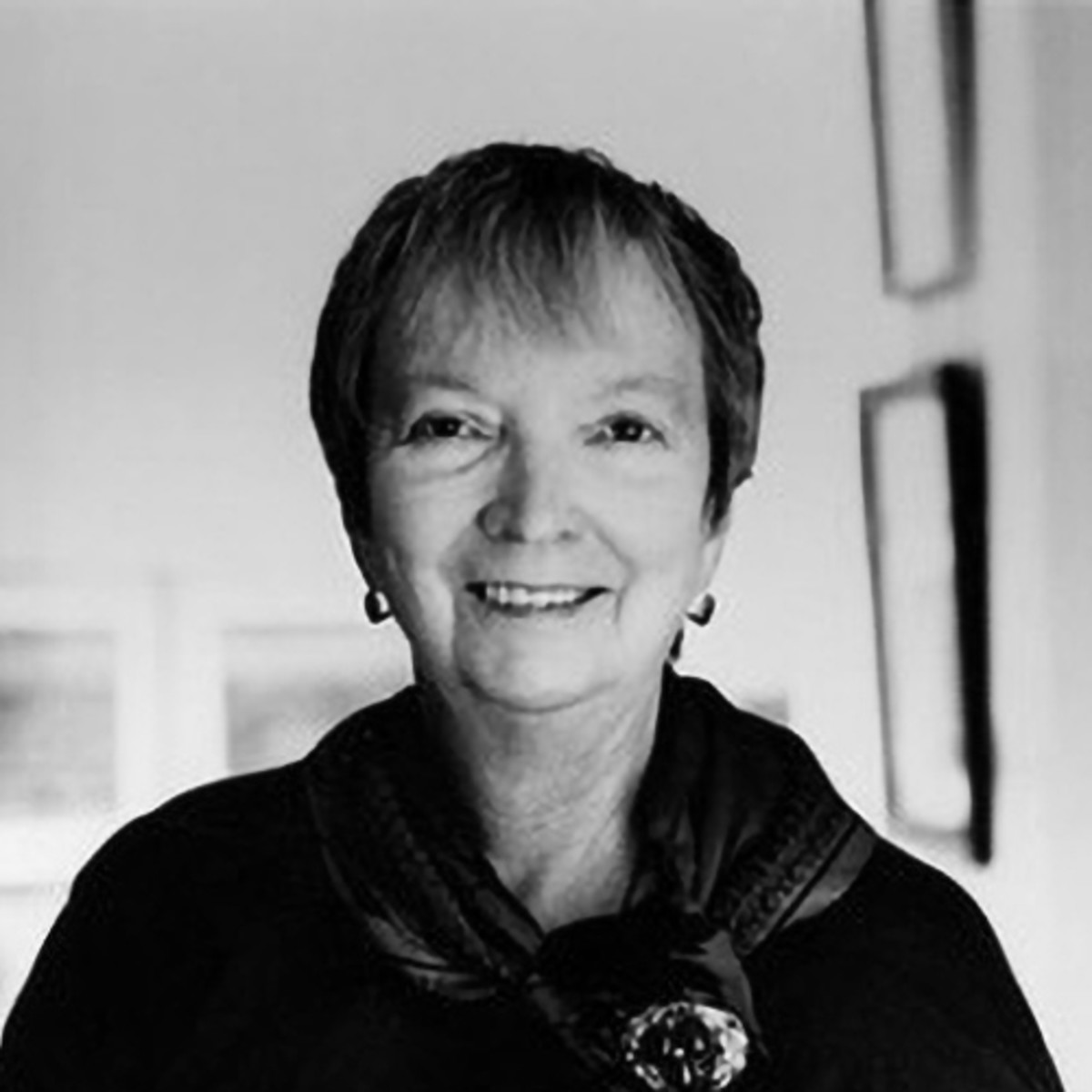
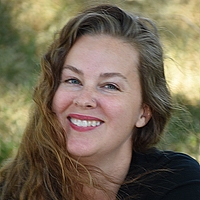
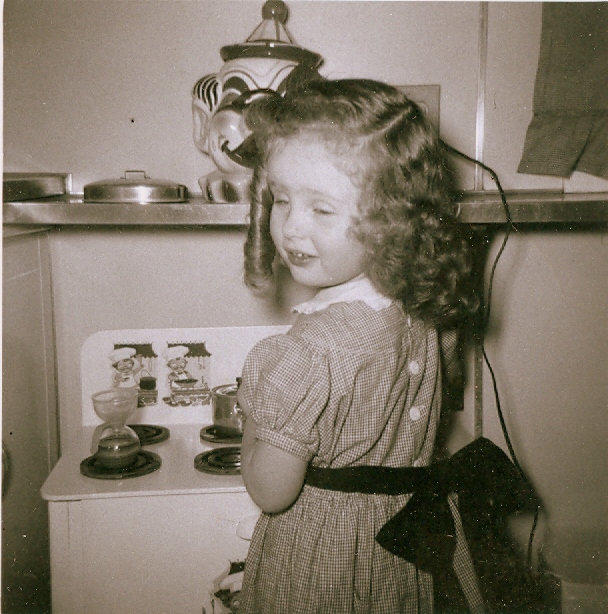
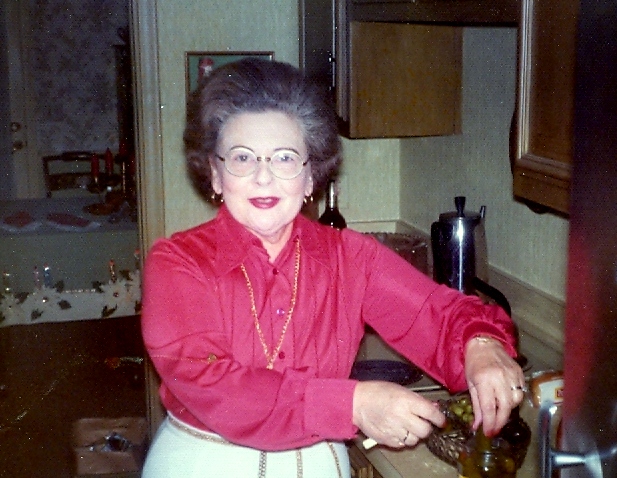
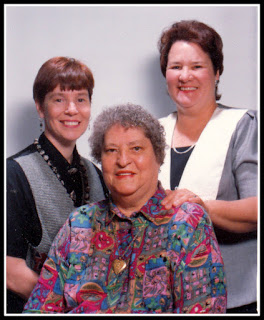
M.E., Karen & Leila

On this September, 1994 morning flight from Pennsylvania to South Carolina I gaze out toward a new chapter. Soon I’ll reunite with the woman who gave me life. On the down escalator, I spot my welcoming party.  Karen, my half-sister, waves and calls to me in the drawl now familiar from our calls since my year-long search bore fruit.

*

“Momma, a lady called from up north. She said she might be your daughter,” Karen coaxed. “Not true!” But she yielded. Yes, she had given birth to a girl in St. Francis Hospital when Karen was two. She thought the nuns would take good care of the baby; find her a home.

*

I step off the escalator to broad smiles and greetings. My young adult daughter is the only genetic tie known to me prior to this search and reunion. I’ve pondered her thoughts on family–no one is more important to you than those who stand beside you, no matter what. A sense of unreality floods me, as I embark on the next stage of this journey to cultivate kinship.

Karen introduces her beautiful daughter, Barbara; Josh, her burly middle-schooler, and Daniel, her handsome elder son. I’m relieved and grateful for their warm hugs of acceptance. “This is Momma, Leila Grace.” Standing proud, she refused to greet me from her wheelchair. She’s smiling, this large woman, and Karen has looped her left arm under Momma’s right elbow to support her.

Leila. I learned her name this summer, and could never conjure her face. I heard her gospel songs from within her womb, heard her speak, her inflections. I felt her

laughter and heard her cry, maybe felt her tentative touch before I was swaddled and taken away by the sister. Maybe she held me briefly. Her face reveals the sadness of years. Moist, puffy eyes, face flushed with unknowable emotion. Flood of recollection or regret? Or pang of pride, or guilt, confusion, or the anxiety I’ve inherited?  I take charge of my feelings, and wrap my arms around her. “Hello, Momma! So good to see you!” She yields to my embrace–a murmur, perhaps meant for the gods—is she hurting or happy? What will this reunion bring to either of us? Has she dared dream the infant she left in the hospital would be happy and well, and would return to her one day?

At Karen’s double-wide trailer home, our family celebration continues. Can it be we haven’t yet spent a couple of hours together? Momma rests in the recliner. Her legs elevated, I see her left prosthesis below her pastel polyester pants. On her right upper arm is an angry scar from the dialysis shunt she’s had in place since she returned from Texas. Her short salt and pepper hair is tightly permed, but she’s more relaxed now, and chatters in a faint, high voice. Karen serves dinner at the kitchen table: fried chicken, biscuits and gravy, green beans and sweet tea. We peruse photos, many of Karen’s children, and only a few of Momma in her twenties and thirties. Karen wasn’t raised by Leila, either. She abandoned her to her parents and a difficult life. Another girl born to Leila, and raised by her, died at sixteen in a drowning accident. No mention of my father—maybe she’d recognize him in me—I hope there’s a secret photo stashed away.

*

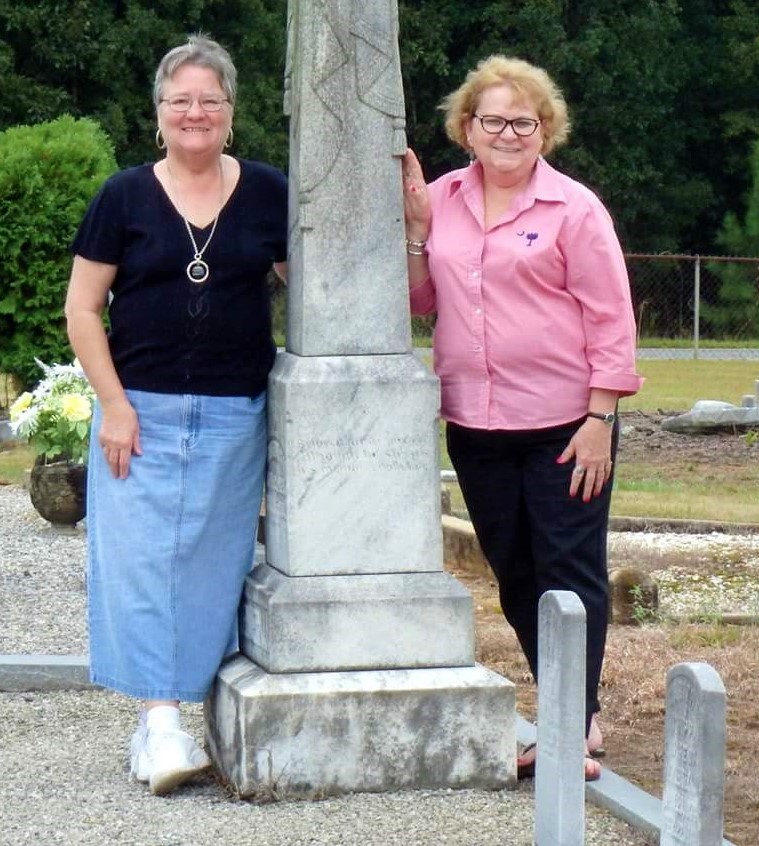
Karen & LottieThe rented house in Texas had been neglected–diabetic needles, clothes, food and trash all around–when Karen arrived, summoned by the rehab hospital. Leila’s husband of thirty-two years had been dead for over a year when she was admitted for a foot infection that cost her a leg. Karen brought Leila back to South Carolina, and tried to make her comfortable in her small home. But Leila was ill-tempered with the boys, whom she had never met. Karen moved Momma to a State-managed senior-living apartment with basic possessions and minimal housekeeping skills. But for Karen’s kindness, we would not have connected.

*

Karen told me Momma would stare at daytime shows that featured adoption reunions, promoted by private investigators and TV producers. She fixated on birth mothers who emerged from behind the curtain in tears to hug their long ago relinquished sons or daughters on the studio stage. She never let Karen in on her secrets. It was left to fate that a twenty-six year old Leila would ever see her child again.

*

I returned to Greenville six times to visit, while Momma’s health continued to worsen. She died at sixty-nine, two years older than myself at this writing, and left behind her regrets and foggy memories. We two sisters were among the few at her funeral, a year after we reunited. Karen and I continued to be curious about more kin, but I focused on a DNA search for my father. Ancestral searches had become a successful tool for adoptees.

Valentine’s Day, 2015, Karen and I stumbled across a South Carolina internet message board post from 2007 by a woman searching for her mother, Leila Grace Cox. She had been abandoned to the care of her father and grandparents in Charleston when she was six weeks old, in 1954. If only Leila had been able to tell us, we would have located Lottie while our mother was alive.

Deep wounds of separation might have calloused over, but longing and fate intervened. She never learned to give, and lost more than she could bear. But, we sisters believed it possible to find Leila.

About the Author: Mary Ellen Gambutti

Mary Ellen writes about her life as an Air Force daughter, search and reunion with her birth family, gardening career, and survival of a stroke at mid-life. Her stories appear or are forthcoming in Gravel Magazine, Wildflower Muse, The Remembered Arts Journal, The Vignette Review, Modern Creative Life, Thousand and One Stories, Halcyon Days, Nature Writing, Post Card Shorts, Memoir Magazine, Haibun Today, Borrowed Solace, Book Ends Review, Storyland Literary Review, and SoftCartel Magazine. Her chapbook is Stroke Story, My Journey There and Back. https://ibisandhibiscusmelwrites.blogspot.com/

Rainy’s Paper by Patricia Wellingham-Jones

Photo by Giulia Bertelli on Unsplash

I write on a scrap of paper
you tucked into my book,
paper you made in your backyard studio
from pulp you shredded,
soaked, patted into frames to dry
with bits of weed stalks
adding texture to the mass.
At bottom left you pressed
a full-blown pansy, its little face
beaming as I write.
I’d like to wax brilliant
about the depth and worth
of my words on your art
but I know they’ll never mean
as much as this paper you made
and gave to me.

About the Author: Patricia Wellingham-Jones

PatriciaWellingham-JonesPatricia Wellingham-Jones is a widely published former psychology researcher and writer/editor. She has a special interest in healing writing, with poems recently in The Widow’s Handbook (Kent State University Press). Chapbooks include Don’t Turn Away: poems about breast cancer, End-Cycle: poems about caregiving, Apple Blossoms at Eye Level, Voices on the Land and Hormone Stew.

Cultivating Happiness Anchors by Keva Bartnick

We all live in a world that can lack a sense of happiness. Far to often we have to fake it to make it. I am no different. I speak of healing and goodness, yet I have to work at being happy and healing myself too. I know I am not alone in these struggles, which makes it easier to manage.

Since my husband and I have children I admit that they have taught me more than I could have ever dreamed. They teach me something new everyday. They bring into my sphere a new way of seeing the world and all its wonders.

Because of them I can’t begin to tell you how many Lego movies I’ve seen. Here’s a hint… it’s a lot! Every one of them better than the last surprisingly. And thus brings into our lives the topic of anchors.

You might not have ever heard the term so let me let you in on the best kept secret of our house. Anchors.

They are a cherished piece of time set aside. A time that has already been scheduled in advance so everyone knows what’s coming. For instance, Taco Tuesday is an anchor. Every Tuesday we have tacos for dinner. (Thank you Lego Movies for introducing Taco Tuesdays.) Also, if you’d like, I have a great fish taco recipe that we’ve been using and the kids LOVE it!

This is what I mean, intentional living. That’s a good way to describe an anchor.

We also looked to ‘The Big Bang Theory’ for our second anchor of the week. Like Sheldon, Leonard, Penny and the rest of the gang we’ve set aside one night a week as pizza night. Every Wednesday, we don’t have to think about what to make for dinner, we already know that it’s going to be pizza. Everyone looks forward to it, and everyone is happy. It’s a win win.

We have other anchors in our house, but those two are the best. Maybe it’s because I’m mom and I’m the one that has to feed them so anything to make my life a little easier. I’m all for that. I’ve discovered another anchor that I plan on implementing as soon as possible.

I’m calling it The Friday Night Champagne Toast.

It was inspired by my husbands cousin and the birth of her daughter.

At her baby shower, as a parting gift, she sent us home with a Brut Split. If you’ve never worked in the restaurant business, Splits are those smaller bottles. Purchased for a celebratory occasion between two people, hence the word Split. The instructions were that when we heard of the birth we had to break open the bottle and toast the newest addiction! I LOVED THAT!

So as we were popping open the Brut on a Tuesday night to celebrate Anna’s birth it hit me like a ton of bricks. Oh My GOSH! Why are we just now doing this? Where has this been all my life? I kind of think I need another anchor for celebrating, and I believe that we are going to do it weekly.


Let’s think about this, how often do we celebrate? Birthdays, holidays, special occasions. Like normal people we have our yearly celebratory anchors, the ones that you can count on.

Many of us have daily anchors like praying and worship, but we don’t have something set aside weekly. Acknowledging the fact that we do awesome things every week. So why not celebrate that!?

Justin Timberlake brought sexy back. Well I want to bring The Friday Night Champagne Toast night to the forefront. For those who don’t drink, choose something special. Juice, juice works just as well. Buy something that you normally wouldn’t buy for yourself and use that. It’s a special occasion.

So treat it like one.

If you don’t want to spend the money, chalk yourself up as a Spiritual Money Launderer.

Yes, it’s a thing.

Think of the money you are spending as putting something good back into the universe in a monetary way. You are celebrating! So treat each part of this endeavor as a celebration. Even if it’s a $1.50 Yoo-hoo from the gas station down the street. It still counts.

Think of it as a sacred act of being grateful and happy. Cultivating and creating a space of positivity in an otherwise normal day. Taking the time out to celebrate life! That we made it thru another week.

I will be taking the time to list out everything I’m grateful for. For instance that we survived with our wits still intact and that we didn’t lose our minds along the way. That in and of itself is HUGE with three kids. Some days probably were tough, but we kicked this weeks dupa and got the things that needed to get done done. Or that we only fought once this week! Pick any number of ways to chalk up the fact that we all survived!

Cheers to us!

Taking time out of our week to recognize what we are grateful for gives us room for more gratitude, more happiness. I do it everyday before I go to bed and before my feet hit the floor in the morning, but those moments are personal. This would be a time spent with just my husband and I, together. To acknowledge the fact that we matter. What we accomplish together matters. Congratulating each other for doing what needed to be done that week. When your other half feels appreciated, wanted, and gratified magical things happen. So that settles it.

Anchors away!

About the Author: Keva Bartnick

Keva Bartnick is an artist, writer, and lightworker. Happily married mother of three; she’s been inspiring people to be their most courageous selves since 2015.

Letting Go of Expectations by Anna Oginsky

It’s been over eight years since my dad slipped away and took my life as I knew it along with him. Of course, I was devastated when he died, and I have found that no matter how much time passes, there is always a part of me that misses him. At the same time, I have come to appreciate the outcomes of his death that have shaped my life for the better. The gifts he left behind weren’t gifts of conventional value; instead, he left me with the opportunity to rethink the ways I was choosing to live up to the time of his passing. Like so many women, I had completely lost myself in the midst of mothering and in all the roles I had taken on through adulthood. It was in the space I created to grieve after my dad’s death that I rediscovered my long-lost love for creativity.

At first, as I began to share my writing and art, I heard people say things like, “Oh, I would love to ______ (write, paint, craft…), but I just don’t have time.” I completely understood. Before my dad’s death, I wouldn’t have thought that I had the time either. What I quickly discovered though, was that if I didn’t make the time to create, there were parts of me, essential parts, that would surely perish. It was vital to my own well-being that I make time to create. The same is true today.

In grieving places, we are often told that grief comes in waves. Those waves we ride in grief are actually an appropriate metaphor for describing the journeys we take with most matters of the heart. “Riding the waves” is a saying that aptly describes the ways in which I am required to navigate the ebb and flow as I work to cultivate and sustain a creative life.

I tend to shy away from writing about how to do things; but, sharing what has worked for me seems essential in the realm of creativity. As humans, we ourselves are creations and as such, we were made to create.

We are creative beings.

We are all artists and we do best when we give ourselves the gifts of creativity. I have found that what I do to nurture my creativity is less important than how I do it. Much of my work around creativity involved some aspect of redefining what it meant to me to make things.

My first task was to let go of expectations about what it meant to create a piece of art.

I was drawn to ways of creating that were focused on the process rather than a specific outcome. In my grieving space, I took numerous online art classes in intuitive painting and in collage and mixed media. My goal was never to replicate something I had seen before.

It was always to play and to explore.

Mixed media art allowed me to incorporate my love for color and texture and layers into my creations. I worked with multiple mediums, just playing, never knowing where I was headed or what my piece would look like when it was complete. Abstract art gives an artist a lot of space to play and explore and I revel in that space. With each piece of paper I cut and glue to my canvas, I am in some way piecing myself back together. In that time and space, I am fully present and fully me. Not someone’s mom or wife or daughter or sister, just me.

The creative process is a moving meditation where the thinking brain can rest and where we can give ourselves permission to simply be. It took very little time in my practice of the creative process for me to realize how powerful it is to create without expectations, and an even shorter amount of time to feel the positive impact of cultivating my creativity. That was the flow.

The more time that passed after the day of my dad’s death, and the more my children grew and needed me, the less time I had to devote to my creativity. I had to find ways to keep creating that didn’t require as much of my time.

This was the ebb. This was when I let go of my expectations about what art actually was. It wasn’t just a painting, it could be a page in an art journal or even just a few strokes of paint. It could be a meal, a planter filled with flowers, or a carefully selected filter on an Instagram photo. It didn’t need to be an entire blog post, it could be a mere caption.

As long as I was creating something, big or small, the act of that making had the effect of a potent medicine.

Depending on what is happening in other areas of my life and where my work is currently focused, I can be in the ebb, the flow, or somewhere in between with my creativity. Yes, I sometimes dream about having unlimited days and days to paint and play with words and papers, and sometimes I can actually make those days happen.

Mostly though, I am okay with a few minutes here and there to engage with the creative process. It is all art. At the very least, the lives we create for ourselves are our art. As artists, we are obligated to nurture our creativity. By letting go of any predetermined expectations we carry about what the creative process should look like or lead to, we create more space for flow.

About the Author: Anna Oginsky

annbioAnna Oginsky is the founder of Heart Connected, LLC, a small Michigan-based workshop and retreat business that creates opportunities for guests to tune in to their hearts and connect with the truth, wisdom, and power held there. Her work is inspired by connections made between spirituality, creativity, and community. Anna’s first book, My New Friend, Grief, came as a result of years of learning to tune in to her own heart after the sudden loss of her father. In addition to writing, Anna uses healing tools like yoga, meditation, and making art in her offerings and in her own personal practice. She lives in Brighton, Michigan with her husband, their three children, and Johnny, the big yellow dog. Connect with her on her website; Twitter; Facebook; or Instagram.

Cultivate the Why by Molly Totoro

I am a personality test junkie. I love learning a bit more about myself in the hopes of discovering why I operate the way I do. Most recently I took a test sponsored by Personality Factors. The test confirmed that I am a serious planner. That is, I scored near zero percent for “gregariousness” and near 100% for organization.

But the test also revealed an area of surprise. I scored near 100% for dutifulness.

Now responsibility and independence are two of my core values. I strive to be a woman of my word. I think for myself and refuse to ask someone else to do a job I can handle. My parents joked that “me do” were my first words.

I consider these traits positive attributes – they show strength of character.

Dutifulness, on the other hand, appears weak. It is an act of surrender rather than autonomy. It is allowing others to dictate my life rather than taking control myself. And we all know when a toddler does his “duty” it is a stinky, messy business.

Shortly after taking this test I went for my daily walk with the basset. Since he sniffs every tree and blade of grass, our leisurely walks give me time to ponder. As I mulled over the daily calendar, I discovered a pattern of thought. Every potential activity was prefaced with the phrase “I should…”

  • I’d like to go the library and write, but I should stay home and do laundry.
  • I’d like to finish reading our book club selection, but I should grade papers.
  • I’d like to try my hand at painting but I should do a “real” artist date and get out of the house.

When I realized I was “should-ing” how to do take a personal Artist Date, I knew I was in trouble. The adage, “Don’t should on yourself” seems rather appropriate for someone who is so immersed in duty.

I decided to embark on a little experiment: brainstorm the perfect ordinary day.

While I am fond of carpe diem, I also know chores need to be done. My goal was to see if I could replace duty with a bit of fun.

I began with my morning routine. I quickly outlined the daily tasks. But without premeditative thought, I also included a why statement to each activity.

  • I wake up before 6:00am because I don’t want to be rushed. I like taking my time and slowly greeting the day.
  • The first cup of coffee makes the early alarm bearable. While I only drink coffee in the morning, that first cup is pure delight.
  • Reading email and checking social media is a fun way for this shy reserved introvert to connect with others.
  • I look forward to morning pages and discovering the thoughts rattling inside my brain. Oftentimes I surprise myself.

I continued this exercise for various activities throughout the day. In the end, I discovered the secret to a joyful schedule: cultivate the why and weed out the should.

Rather than saying I should do laundry or I should go the store, I rephrase that thought. I say I want to do laundry so I have clean clothes to wear. Or… I want to go grocery shopping so I can have healthy food in the house.

Of course, there may be times when should is unavoidable. For example, I should grade final papers because the academic year is coming to a close. But I find if I think about the task rather than rely on auto-pilot, there is a more valid reason than duty. I like teaching and a part of teaching is grading papers. In essence, I choose to grade papers because I want to teach.

Old habits die hard. Retraining the brain after fifty years of “should” is not going to happen overnight. But I continue to tend the garden. I pluck the weeds on a regular basis – giving myself a bit of grace when they grow out of control. And I cultivate the why by giving myself permission to nurture the desires of my heart.

About the Author: Molly Totoro

Molly Totoro is a Connecticut Yankee currently residing in the Midwest with her husband and trusty basset. While Molly retired from full-time teaching in 2014 to pursue her writing dreams, she continues to work with students to achieve their writing potential. Molly recently published her first book, Journaling Toward Wholeness: A 28-Day Plan to Develop a Journaling Practice with the hope of inspiring others to experience the health benefits of writing their inner thoughts.

Connect with Molly at her blog, My Cozy Book Nook and on social media: FaceBookTwitterInstagramPinterest

Sunday Sensations – The Feeling of Safety Personified

I’ve always been afraid of the dark. The shadows, the shapes, the sounds—they all frighten me.

One person could always assuage that fear. No matter how long the night or how deep the darkness, I felt secure when I heard my father’s voice.

I remember nights when my dad worked late. I would make my mom promise that she’d send him in for a goodnight kiss. Then I would lie awake, darkness clawing at my imagination, waiting for him to come home. If sleep came, it was fretful and worried. I felt so small in those moments.

Then he’d come in. I’d hear his car, the rumble of his voice, the footsteps in the hall and instantly, I felt relief. It’s amazing how his simple presence would change the fear. I was in the same bed, the same room, the same home, but nothing felt safe without him.

My dad would smell of the earth then (he was working in construction with my grandfather). He’d look tired, but he was the best sight I’d ever seen. I would happily fall into a peaceful sleep after he left my room.

People can be lighthouses of safety. When I had surgery to remove my appendix when I was six, my mother stayed by my side through the entire thing. I remember waking up, groggy, and having her voice right there. Just that simple presence chased any fear away. Even now, I can feel that level of security and warmth.

Since the beginning of mankind, we’ve sought security and refuge from each other. There would be no great cities or countries if this wasn’t the case. From the U.N. to the family unit, we’re meant to live in a community. This gives us safety.

The sad fact of the matter is that as much as people can bring a feeling of safety—people can also be harbingers of danger. In today’s world, a larger spotlight is being placed on the men who abuse their power and position to abuse the women they are meant to love. I can’t imagine living in a situation where I’d dread hearing my father’s voice at night, but there are so many vulnerable children who do. All too often, the people who are meant to love us can be the ones to rip safety out the fastest.

This Father’s Day, I celebrate the men who are safety bringers to their family and those around them. If you didn’t (or don’t) have a great dad, know that there are some lighthouses out there for you if you know where to look. And, thanks to my dad for always being my safe lighthouse.

About the author: Tabitha Grace Challis

Tabitha Grace ChallisTabitha is a social media strategist, writer, blogger, and professional geek. Among her published works are the children’s books Jack the Kitten is Very Brave and Machu the Cat is Very Hungry, both published under the name Tabitha Grace Smith. A California girl (always and forever) she now lives in Maryland with her husband, son, and a collection of cats, dogs, and chickens. Find out more about her on her Amazon author page or follow her on Twitter: @Tabz.

The Power of Design Can Change How You Feel About Your Home by Laura Pursley

Every space in your home evokes a feeling. It can either evoke a good feeling, or a bad feeling. Consider this; if you walk into a room, and it is filled with clutter, your eyes don’t know where to land, you are overwhelmed with all of the images that your brain is trying to process, and eventually you are going to have a feeling of anxiety. On the other hand, if you walk into a well-organized space, that has function and is aesthetically pleasing, you may get a feeling of calm or a sense of happy. I feel both of these feelings when I walk into my kids playroom, depending on the state of chaos in the room at the time. Either a feeling of anxiety if there are toys all over the floor, or a feeling of calm if it’s clean and organized. Using design to change up the function or look of a space can also help to evoke the feeling that you want for a space.

The difference between just existing in your space, without considering your surroundings, and thoughtfully creating a sanctuary, a space you love, is astounding. Even making small changes in a space can have a big impact.

Here is a space in my home at the bottom of the stairs in the basement. The “before” is basically a blank wall.

A blank space does nothing to inspire, or evoke a happy feeling.

With some fairly easy changes and some décor, it now looks like this:

The nook, after. With a little focus, some texture on the wall, and some accessories, it’ now a focal point when walking down the stairs! Talk about a mood changer!

Now, the feeling that I get when I walk down the stairs is a pleasing, happy feeling. I am sure everyone has spaces like this in their home, and you probably aren’t even aware of how a space like the “before” affects how you feel.  We get so used to our surroundings and don’t think that we have the power to cultivate a more beautiful space, but really even small changes can have a big impact!

Your home should be your safe haven, your happy place. You spend a lot of time in your home, you deserve to love it. Using design or decorating your home can have an impact on how you live, your mood, your attitude, and your lifestyle. It doesn’t have to take a lot of money or time to create a space that you love. And, you don’t have to be a designer to have a great space.

What this looks like will be different for everyone, and you have the power to cultivate the space that’s right for you. In other words, you do what’s right for you, and don’t feel intimidated or feel that you have to do anything to please others. If all you do is buy things to follow the trends, you are decorating for other people, not yourself, and ultimately you may end up not liking the changes.

I talk to a lot of people that want to have a warm, welcoming, pleasing home, but just don’t know where to start or what to do. They also may think that it takes a lot of money, but I have seen people transform their spaces with small changes, adding old vintage finds, repurposing items, or tweaking a space with small changes. Adding texture (with wood or wallpaper), or color (paint or accessories) is another easy way to transform your space and make it feel more welcoming. You would be amazed what one small change can make.

Here’s an example.

Here is what my shelves previously looked like. I liked what I had on the shelves and was happy with how they looked, but felt I wanted to jazz them up a bit.

Here are the shelves after a quick makeover of adding wallpaper to the back of the shelf

All I did was add some temporary wallpaper and now they have a whole new feeling. It only cost $30 and a couple hours of work. And, in case you were wondering, I am definitely not a DIY person. If I can do it, anyone can.

It’s not about having more “things”. Randomly buying things to fill your home is not going to give you a feeling of peace, or satisfaction. It’s better if you buy things that have meaning for you, or speak to you in some way, or give you that feeling that you want your home to have, whatever that is. And even better is doing this over time, so it’s a true reflection of you.

Sometimes you may make a wrong choice. It’s ok. It’s going to happen. One example of making a wrong choice, was when we were building our new home. We used a builder that had a certain number of floor plans to choose from, and you have to make all of your design choices in two meetings. Talk about daunting! There are good things about doing it this way and not so good things. What’s hard about this is that you are making choices without seeing how they will look together. It’s much better if you can build your home’s story over time and let your space evolve, but we didn’t have this luxury during this process.

One of the choices that we had to make was to choose all of the lighting fixtures. Choosing those were also at the end of the process, so by that time, I was burned out from making choices, so I just picked from the catalog simple fixtures that I “kind of liked”, but in hindsight, didn’t really love.

Here’s an example of two lights that we originally picked for our Dining Room, and Entry Way:


After living with both lights for about a year, I decided that they just weren’t me, or what I wanted for my space, so I switched them out for these:

In hindsight, I know that I shouldn’t have settled for something when I knew it wasn’t exactly what I wanted. (Later, I realized that I should have told the builder to give us a credit and I would choose my own lighting elsewhere… one of the many lessons we learned from building our first house… I will save the rest of those stores for another day). The moral here is, don’t pressure yourself to make choices if you are not ready.

I talk to a lot of people that say they really just don’t know where to begin in decorating their home. So, what usually ends up happening is that they do nothing, and never truly experience the feeling of joy that can come from creating the space that is right for you.

Here is some advice that I give to people that want to love their home but don’t know where to begin:

  1. Make a list of the top 3 spaces that you want to change, update, or decorate
  2. Think about what feeling you want the space to have (calming, fun, functional, etc) – see it’s not even about a design style at this point
  3. Think about what things that you currently have that give you these feelings – move things around in your home and they will take on a whole new look/feel
  4. Slowly over time, come up with a plan to change one space, one element at a time, then another

In the end, it comes down to what makes you happy, and layer those items in your home, to work with you, and your lifestyle. Just start small, and over time, you will cultivate a space that you love.

About the Author: Laura Pursley

Laura is a home decor blogger, marketing professional, mother of 2, living in Michigan. Laura has a passion for design that she uses to transform her home into a comfortable, livable, beautiful space for her family. Her design motto is that you don’t have to be a designer to have good design in your home. She believes that everyone deserves to be in a space that they love, whatever that means to you.

Laura likes to mix a little bit of modern with a little bit of farmhouse, and she likes textures, patterns, and in some instances, is not afraid of color. It is her hope with her design blog to inspire others to transform their own spaces into something they love.

Visit her blog at www.harperhomedesigns.com to get inspired, or follow her on Instagram, Facebook, Pinterest

What I Am Not by Jeanette McGurk

I am NOT completely grown up.
By now, I thought I would be, less than a month from 50.
Is my room clean? My bed made, even after eating cookies and getting crumbs in it?
The dog, a better grown up, often takes care of the crumbs.

I am NOT without fault.
Oh, I would like to think “if all the people I voted for got elected”….but wait?
Did I vote Saturday in that local election?
Did I put cardboard in the regular trash?
Did I drive past the woman walking on the street in her bathrobe and walker?
I am not without fault.

I am NOT happy about weird skin bumps and spots and tags.
This, this part of aging I am not a fan of.
I was prepared for wrinkles. I can mostly deal with wild curly white hairs.
The ones my daughters love to pull and watch spring in different directions.
I am even okay with sagging….everywhere
But witchy bumpy skin, really gets on my nerves.

I am NOT a fly on the wall.
I am a Mom in a minivan.
I drive 5 kids home from school every day.
Today, they discussed what to call their clubhouse in the woods.
It is proudly made of sticks and grass and other found treasures.
Worthy of its name: The Society of the Pugalope.
(But it is a secret, so don’t tell anyone).

I am NOT a good driver.
Just ask my garage or my husband.

I am NOT a poet.
Sunday I sat in a room full of poets.
I need to throw out a line long enough to catch a whale
in my storytelling.
These folks, take a handful of words and
craft them into 90 seconds of bliss.

I am not a poet but I AM a lover of
miniature journeys.
Their intimacy.
Is there any map so clear to the heart?

About the Author: Jeanette McGurk

jeanette_mcgurkJeanette McGurk is a Graphic Designer who entered the world of writing through advertising. She discovered writing a lot of truth with a little fluff is a lot more fun than the other way round. Now that she is no longer spending time making air conditioners, tile floors, IT and Botox sound sexy, she writes about the unglamorous yet wonderful moments of life for people like herself; in other words, anyone looking for interesting ways to put off cleaning and doing laundry.

She is a curmudgeon and doesn’t Twit or Instagram. She has heard the blog is dead but since she has finally figured out how to do it, that is the museum where you can locate her writings. http://jmcpb.blogspot.com/.

Instrumental: Cultivating Mindfulness (Part Two) by Diana Raab

(Read Part One of Cultivating Mindfulness Here)

Mindfulness meditation, which originated in Buddhist circles, encourages you to focus on feelings, experiences, and internal and external processes in a nonjudgmental manner. It is about being fully present in the moment, thus making you more aware of yourself, others, and your environment. Mindfulness meditation is about paying attention to the thoughts racing through your mind, without obsessing about them or trying to fix them in any particular way. Meditation is one of the best ways to increase self-awareness, calm your mind and your body, and connect with what is happening in the present moment.

Many studies have shown the benefits of mindfulness meditation. Some institutions, such as the Mayo Clinic, have already integrated mindfulness meditation into many of their programs to foster healing in those dealing with mental and physical illnesses. When mindfulness meditation is used to help addicts in recovery, studies have shown that it minimizes the stress caused by the trigger to use alcohol or drugs. The results can be very effective when used in conjunction with other modalities, such as psychotherapy.

Mindfulness meditation forces you to sit with yourself and to accept and tolerate your feelings rather than medicating them. Sitting with your problems and recognizing them with curiosity and acceptance helps you better to diffuse any triggers that you may regularly encounter. One of the many wonderful aspects of mindfulness meditation is that you can do it alone and anywhere. You don’t need props, mentors, or facilitators. It only takes a few minutes, and the results are effective, long acting, and empowering.

Meditation may be practiced either while sitting still or, for those who have difficulty sitting, while walking. Other practices such as Qigong and Tai Chi are also good options. In mindfulness meditation, the idea is to sit still and focus on the breath—breathing in and pausing, breathing out and pausing. Full awareness is kept during the breathing process, even when there are outside noises—such as cars honking, dogs barking, trains passing, or people engaged in conversation. You will notice that, even while focusing on your breath, your thoughts might interrupt you, but your attention should quickly return to the breath.

Before beginning your meditation practice, it is important to sit still on a chair or cushion with your back straight. I like the metaphor one meditation teacher taught me of imagining your head being a helium balloon floating through the roof into the atmosphere. Then, as a grounding force, think of your spine sinking into the floor. This prepares you to anchor yourself in your meditation experience (for how to ground yourself, see step 2).

When I was recovering from breast cancer surgery, my meditation instructor taught me to imagine a ball of white light above my head permeating into the crown of my head and moving down through my body. The idea was to purify any negative energy or thoughts. I had to remind my body to relax. I dropped my shoulders, the part of my body where I hold a lot of my tension. Then, I focused on my breath and said, “Breathe in, breathe out.” I repeated this until I felt a deep sense of peace. Sometimes I even drifted off, but paying attention to the breath is important as a mindset.

For those who have struggled with addiction, mindfulness meditation is an important part of recovery. Noah Levine in his book, Dharma Punx, says that prayer and meditation became an integral part of his life and that it helped him find a sense of purpose in his life. “Being an addictive type, when I find something that makes me feel good I want to do it all the time, so I did, I turned my life toward recovery and spiritual practice.”

One way to achieve bliss through writing is before writing to engage in what Levine calls, “Appreciative Joy Meditation,” where after settling the body, you focus on breathing into the heart center. With each breath concentrate on appreciating all the joyfulness and happiness you’ve experienced in your life. This might be a good time to wear a slight smile on your face. Now offer some intentions to encourage your deep gratefulness.

The intentions you set can be ones you create for yourself or you may use the suggested ones provided by Levine, such as:

May I learn to appreciate the happiness and joy I experience.
May the joy I experience continue and grow.
May I be filled with gratitude.

Writing Prompt

After doing” Appreciative Joy Meditation,” consider writing a few pages on what you are thankful for, presently and in the past. What you are thankful for can pertain to certain individuals who have been in your life, belongings, experiences, feeling, and/or ways of being.

Hanh, a Buddhist Monk and also a mindfulness advocate, wisely says that the breath is the bridge connecting our life to consciousness. It also unites our bodies to our thoughts. When your mind becomes scattered, focus on your breath to get hold of your mind once again. In Hanh’s tradition, zazen, or seated meditation, is a part of everyday life. In Western living, meditating for fifteen or twenty minutes might be all that is needed to calm you, but of course you may do so for as long as you like.

I also like Bernie Siegel’s definition of meditation as a way to focus the mind into a state of relaxed awareness. Relaxation is the key here because, even though the mind tends to be less responsive to distraction during meditation, it can be more focused on certain images or feelings. These images are usually important to us, whether they are connected to healing or peace.

Writing Prompt

After your meditation, write in your journal about your experience. Did you notice any mood shifts or subjects that kept popping into your mind?

What thoughts kept interrupting your attention to your breathing? How did those interruptions make you feel?

Meditation and mindfulness go hand in hand and it’s good to practice both. Here’s a simple meditation exercise to practice at any time:

Sit comfortably in a chair with your feet flat on the ground. Sit as if you are a puppet and there is a string attached to the top of your head. Gently let your eyes close. Allow your body to become relaxed and quiet. Take a deep breath through your nose and let it out through your mouth. Repeat this a few times. Allow your mind to become peaceful and quiet. Let go of the emotional and mental chatter. Expand your awareness. Feel the silence within. Keep your eyes closed for about fifteen minutes; then pick up your pen to write about your experience.

About the Author: Diana Raab

Diana Raab, PhD, MFA, is an award-winner writer, speaker, and educator. She’s an advocate of writing for healing and facilitates workshops in writing for transformation and empowerment. She believes in the importance of writing to achieve wholeness and interconnectedness, which encourages the ability to unleash the true voice of your inner self.

Raab blogs for numerous blogs, including: Psychology Today, Huffington Post, Elephant Journal, Global Thrive, and PsychAlive. She lives in Southern California. Connect with her on Twitter, Facebook, and Goodreads.

Instrumental: Cultivating Mindfulness (Part One) by Diana Raab

Mindfulness is an important practice for the creative individual, and mindfulness may be defined as being in the here and now. This practice is essential for the best writing, because it taps into the messages of your heart and soul. Being mindful entails awareness and interconnectedness between your inner and outer worlds. If we are more awake and alert, we can more easily receive the messages from within us and from the universe.

In her book, The True Secret of Writing, Natalie Goldberg (2013) reminds us of the importance of mindfulness as we move about our day, whether we are writing, doing errands, or engaging in interpersonal relationships. Some of the characteristics of mindfulness also include being nonjudgmental, being patient, being accepting, trusting, maintaining the beginner’s mind, and letting go.

When considering mindfulness practice or how to quiet your mind, try to sit for a minute and think about what calms you and contemplate how you can incorporate those things into your daily life. Even just a few minutes of walking meditation or mindful breathing can bring you into the present moment. In addition to incorporating mindfulness into your day, such as when standing in line at a store, it is good to practice it before sitting down to write.

My day always begins with a meditation, sometimes even before my coffee. Sometimes I do a shorter meditation later in the afternoon to give me a boost of energy.

Goldberg, in her Zen writing retreats reminds her students to anchor their mind to their breath by using paper and pen to write. This helps you stay in the moment, as does the mantra, “Sit. Walk. Write.”—which she calls the “true secret.”

Even though the mind is a wonderful thing, it can sometimes get in the way of creativity, mainly because the voices in our heads can get in the way of what our heart wants to say. In fact, sometimes the voice in our head turns to the dark part of ourselves. This voice can point to feelings of fear, guilt, anger, sadness, envy, and resentment, instead of a sense of lightness of being. It might seem like a nagging parent or spouse.

The ego has the ability to create false thoughts, which is the inner chatter we hear most often. In fact, it is the voice in our heads that we sometimes try to tell to “shut up.” Otherwise, we can become overwhelmed by these thoughts and lose touch with reality.

This is one reason why during meditation it is a good idea to let thoughts come and go, rather than becoming obsessed by them or focusing on any one in particular. If you focus too intensely on your thoughts, the chance is greater for you to lose touch with the here and now. On a trip to Maui for a writer’s retreat a few years back, I met with Ram Dass, who continues to relay his very important message of “be here now,” dating way back to the 1960s and 1970s.

Those who live in the present moment, often come across as being more grounded. As Ram Dass says, “When you meet a being who is centered you always know it. You always feel a kind of calm, emanation. It always touches you in that place where you feel calm,” he says. The more we bring our focus into the present moment, the more we experience the bliss and joy of that moment and what our true essence is.

I want to leave you with a couple of writing prompts to help you cultivate mindfulness for your creative life.

Writing Prompt

 Practice focusing on the here and now. Take a few slow, deep breaths and focus on your belly. What are you seeing, sensing, hearing, or intuiting at this moment? Ask inside your body what you are feeling. Do you feel discomfort anywhere? Does an image pop into your mind? This is body intelligence.

Writing Prompt

Describe the person your mind thinks you are. What do you look like? What do you believe? What is your connection with the universe or loved ones? Have someone else write about you. Is how they perceive you the same as how you perceive yourself ?

Check in tomorrow for Part Two, focusing on Mindful Meditation. There will be writing prompts for that, too!

About the Author: Diana Raab

Diana Raab, PhD, MFA, is an award-winner writer, speaker, and educator. She’s an advocate of writing for healing and facilitates workshops in writing for transformation and empowerment. She believes in the importance of writing to achieve wholeness and interconnectedness, which encourages the ability to unleash the true voice of your inner self.

Raab blogs for numerous blogs, including: Psychology Today, Huffington Post, Elephant Journal, Global Thrive, and PsychAlive. She lives in Southern California. Connect with her on Twitter, Facebook, and Goodreads.